

Your Pelvic Floor Needs a Comeback Plan—Because Menopause Is Remodeling It

Let’s get real for a minute. When you think of menopause, you probably picture hot flashes, mood swings, maybe some brain fog. But what if I told you there’s something else happening quietly—and it matters big time. I’m talking about your pelvic floor muscles. Yes, those. They deserve some attention now more than ever.
As your estrogen levels dip, the support system “down there” starts shifting—kind of like the foundation of your house getting a tiny crack. It doesn’t always show up dramatically at first, but over time it loosens. The group of muscles and connective tissue called the pelvic floor—your internal hammock, if you will—helps support your bladder, uterus (if you still have one), small intestine, and bowel. UPMC HealthBeat+1
When these muscles weaken or stiffen without proper care, symptoms show up: urinary leaks, pelvic pressure, painful sex, and even an uptick in UTIs. Data shows that menopause is linked with higher rates of urinary incontinence and other pelvic-floor issues. BioMed Central+1
That’s why this isn’t just “one more menopause topic” you can ignore. It’s central to your comfort, confidence, and quality of life. So yes—you matter. That floor matters. Let’s talk about how to reclaim it.
What’s Actually Happening in Perimenopause & Beyond
Three things you should know—so you’re not caught off guard.
1. Estrogen isn’t just about hot flashes.
Your pelvic floor muscles have estrogen receptors. When estrogen drops, muscle volume can reduce, tissue becomes less elastic, and the whole structure gets stiffer. One article says: “The menopause transition is a time of significant change … the pelvic floor muscles contain receptors for estrogen. … They also thicken with age … Fat cells fill in spaces between muscle cells.” UPMC HealthBeat+1
2. Weak doesn’t always mean slack—and tight doesn’t always mean strong.
Here’s the twist: you can have a tight pelvic floor and still be weak. The muscles might stiffen (less flexibility) and lose function. Symptoms can overlap and confuse each other. That means a one-size-fits-all approach won’t fly. UPMC HealthBeat+1
3. The numbers don’t lie—and they’re big.
In a study involving hundreds of women, it emerged that about 40 % had one pelvic-floor issue, 17 % had two, and so on. Urinary incontinence was the most frequent. Age, BMI, and menopausal status—all correlated. BioMed Central
Signs Your Pelvic Floor Is Trying to Tell You Something
You might already be experiencing discomfort, but not connecting the dots. Here are red flags to watch:

- Leaking urine when you laugh, sneeze, or jump.
- Waking up needing to run to the bathroom or feeling like you never fully emptied.
- Pain during sex, or vaginal dryness and itching that just won’t go away.
- A sensation of bulge or pressure “down there” (hello, pelvic organ prolapse territory).
- Difficulty with bowel movements or the opposite—constant urgency.
If any of these sound familiar, it’s not just “part of getting older”—it’s a signal. And you deserve to listen.
The Good News: You Can Rebuild Strength (and Mobility)
Here’s where things get hopeful. Research shows that pelvic floor muscle training (PFMT—a fancy term for targeted exercises) works. A recent systematic review found that in 93% of studies (in post-menopausal women), training improved pelvic floor muscle function related to urinary incontinence. MDPI+1
Another key insight: strength gains were possible at all stages of menopause, but early stages responded faster. PubMed+1
One article summarized: “Pelvic floor physical therapy uses specialized exercises, manual therapy, and education to help … Most women experience relief in as little as 12 therapy sessions.” Regional One Health
So yes, you’re not locked in. But you are unlocked.
The “Do It WITH a Pro” Approach (Because DIY Can Backfire)
Here’s the thing. “Just do your Kegels” sounds easy—but it’s not the whole story.

Because:
- Not everyone needs the same kind of exercise (some need relaxation instead of contraction, some need both). UPMC HealthBeat+1
- Technique matters. If you’re using other muscles (glutes, thighs, abs) you’re not isolating properly.
- Internal assessment plus individualized plan = better outcomes. One physical therapist says, “First and foremost, I use the time to talk … I want to know what’s going on and what’s bothering you.” Regional One Health
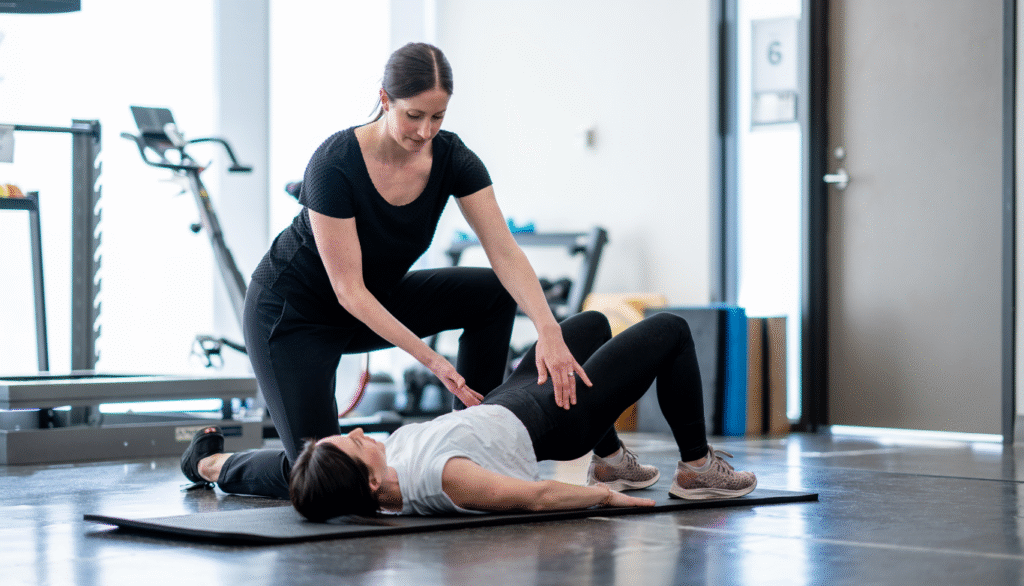
In practical terms: schedule a referral to a pelvic-floor PT. They’ll assess tone, strength, and coordination. From there, you’ll get a plan that suits your anatomy, menopausal stage, symptoms, and lifestyle.
Your Action Plan: Simple, Smart, and Shareable
Let’s keep it straightforward and doable. Here’s your checklist:

Step 1: Get the baseline.
Book a pelvic-floor PT consultation. Explain your symptoms. Let them assess. Trust me—it’s more common than you think, and getting it out in the open is power.
Step 2: Learn your muscles.
Yes, you’ll do Kegels—or rather a version of them—but you’ll also learn relaxation, coordination, and breath control. One review noted that combining PFMT with other activities boosted results. ICS+1
Step 3: Build consistency.
Research shows programs ranged from 2–7 sessions per week, lasting about 10 weeks on average, to see meaningful changes. MDPI Set reminders. Make it part of your rhythm.
Step 4: Track your “wins”.
Keep a simple log: Did you notice fewer leaks this week? Less pelvic pressure? Better sex? Write it down. These micro-wins fuel momentum.
Step 5: Share the journey.
Here’s a killer tip for your blog/Instagram: make this public. Your audience (especially moms, busy women, and entrepreneurs) will see you owning a “taboo topic” and be drawn in. Use your platform. Your vulnerability + expert action = connection.
The Bottom Line
This is not just another menopause topic to skim and ignore. Your pelvic floor deserves attention because it affects your bladder, bowel, sex life, and overall confidence. With guidance, consistency, and the right muscle-work, you can rewrite this chapter of your body story. Your audience will thank you—because they’re living it too.
CTA: Ready to dive deeper? Let’s build a step-by-step mini-training plan together for your pelvic floor—they’ll love this on your lifestyle blog.
Get started by scheduling that consult with a pelvic-floor therapist.
Learn more by grabbing my downloadable checklist and tracking template (coming soon).