If you’re working hard to eat clean, manage your energy, ditch the belly bloat, or stay ahead of things like insulin resistance — then here’s a blog post you’ll actually love (because it pulls back the curtain on some sneaky “healthy” foods that are not helping your glucose meter behave). Let’s talk about six foods many people assume are guilt-free, yet hidden in plain sight are raising your blood sugar in ways that matter.
“Starchy foods were *not equal; there was a lot of individual variability in which foods produced the highest glucose spike.” — research from Stanford Medicine on carbohydrate types and glucose response. Stanford Medicine
“Many patients don’t realize that starchy foods can cause blood sugar to soar even more than sweet ones.” — from the American Medical Association article on unexpected glucose-raising foods. American Medical Association
The takeaway: Even “good” foods can spike blood sugar if you don’t consider which ones, how they’re processed, and how you eat them. (Yes, it gets a little technical —but the good news? You don’t need to become a nutrition scientist to make smarter swaps.)
Why this matters
When you eat something and your blood sugar shoots up, your body releases insulin to bring it down. Over and over, if you’re doing this many times a day, your cells may start ignoring the insulin (insulin resistance). That ramp-up gradually increases the risk of Type 2 diabetes, and also messes with energy levels, hunger cues, and body composition. The Harvard T.H. Chan School of Public Health explains that high glycemic index and high glycemic load foods are linked with a higher risk of Type 2 diabetes and weight gain. The Nutrition Source
So yes, even if you’re not diabetic, the “spikes” matter. They affect your energy, your cravings, and your body’s long game. Let’s dig into the six culprits, and then I’ll give you smarter alternatives you’ll actually want to reach for.
1. Oat Milk
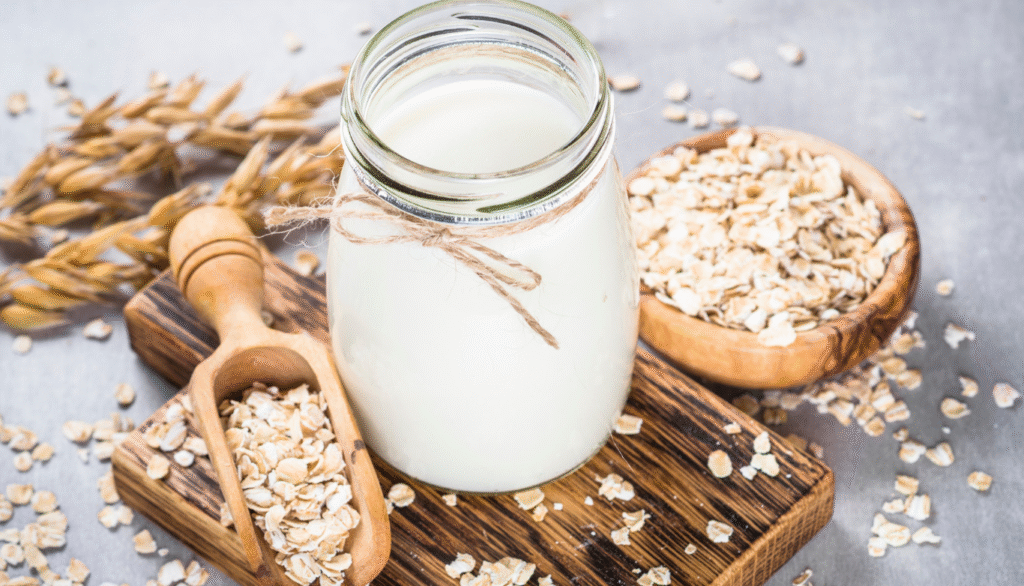
For the record: oat milk may feel like the perfect plant-based swap. But it can also act like a liquid sugar bomb. One nutrition professional described it as “nutritionally, it acts much like a cup of liquid sugar.”
Why: The process of turning oats into milk removes much of the fiber and leaves behind starches, which break down quickly into glucose. The Mayo Clinic’s data listed nondairy milks such as oat milk as one of the beverages that can spike blood sugar. Mayo Clinic Press
Swap suggestion:
Choose unsweetened almond or coconut milk, or even full-fat dairy if it fits your diet, then pair it with a protein (like in your coffee or smoothie). That slows the glucose rush.
2. Dried Fruit
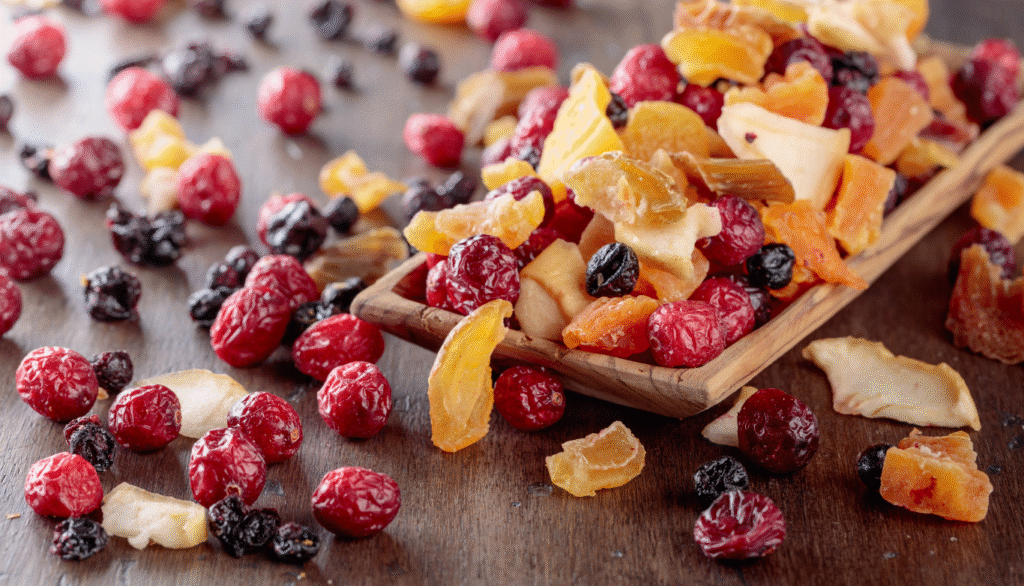
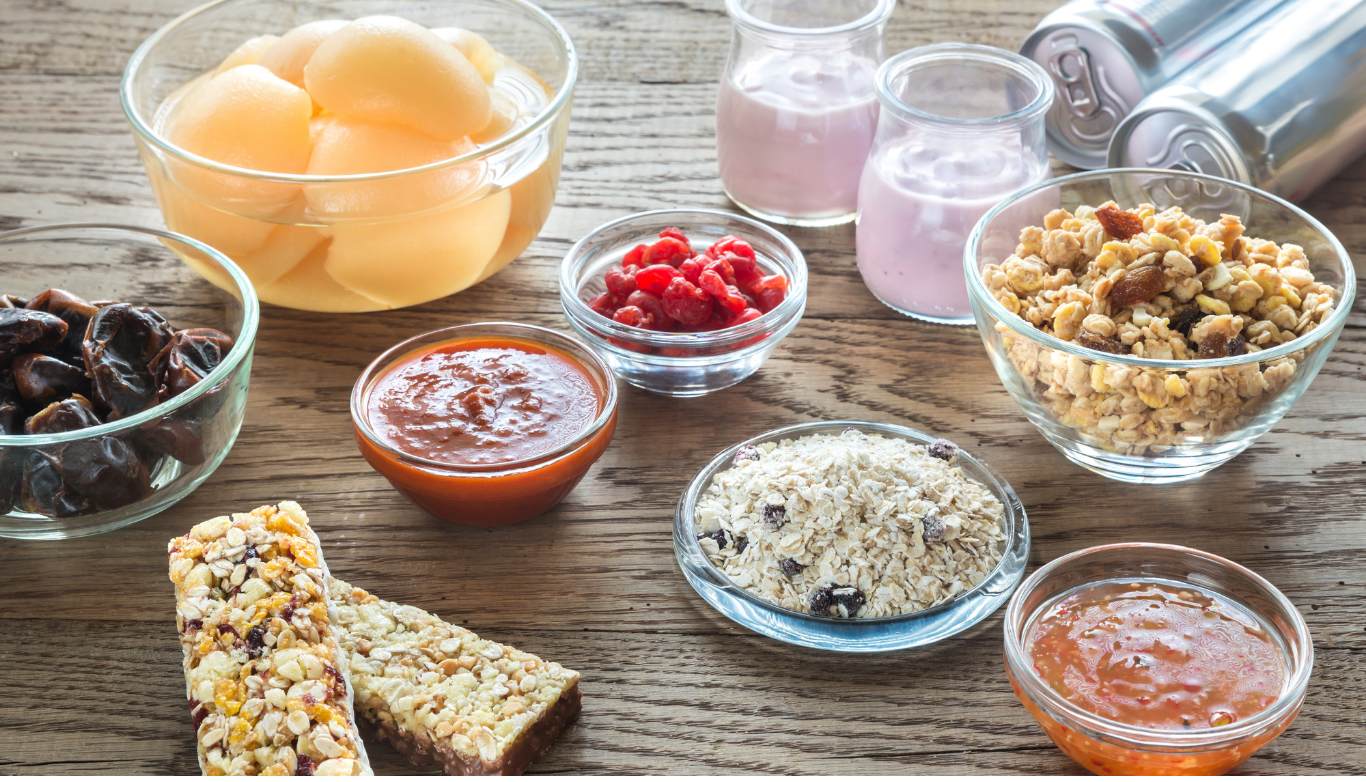
Ah, dried fruit — the portable snack, the “health halo” go-to. But when the water is stripped out, the sugar gets concentrated. The USDA notes that a quarter-cup of raisins has about the same carbs as a full cup of grapes.
If you eat a handful without anything else, you’re basically sending a quick glucose load into your system.
Swap suggestion:
Stick to fresh fruit when possible (because the water + fiber slows things). If you love dried fruit, make it a micro‐portion and pair it with a handful of nuts or some Greek yogurt to buffer the spike.
3. “Naked Carbs”
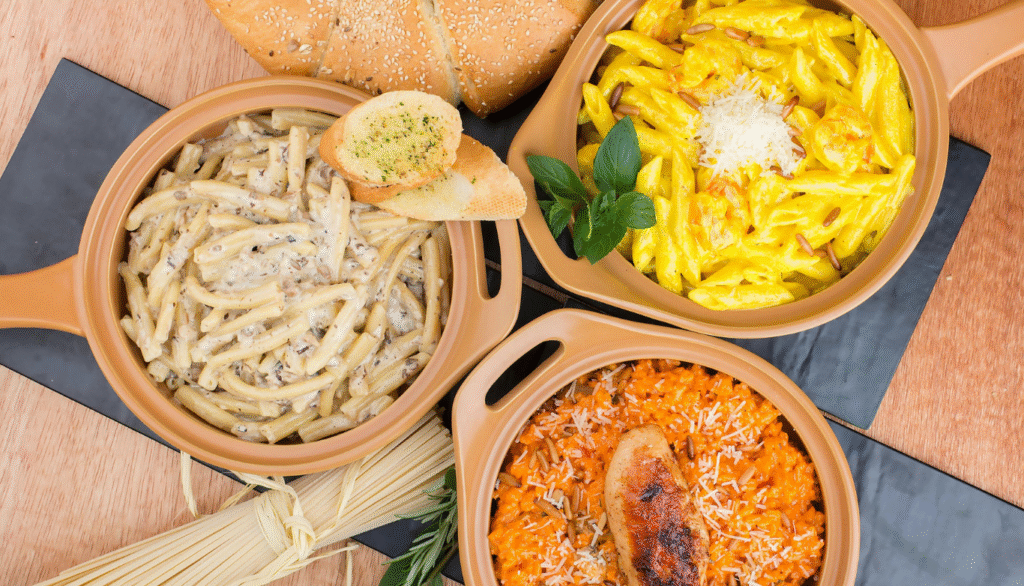
This is carbohydrate alone, without any protein, fiber, or fat to slow things down. A plate of plain pasta, white rice by itself, white bread — you know the drill. The food sequencing research shows that even if the same foods are eaten, if you eat your veggies and protein before the carbs, your post‐meal glucose is lower. TIME+1
In short: fuel without armor = glucose rush.
Swap suggestion:
Build your plate like this: veggies (or salad) + lean protein + healthy fat first, then add your carb (ideally whole grain or slower digesting) last. The sequence matters.
4. 100% Fruit Juice
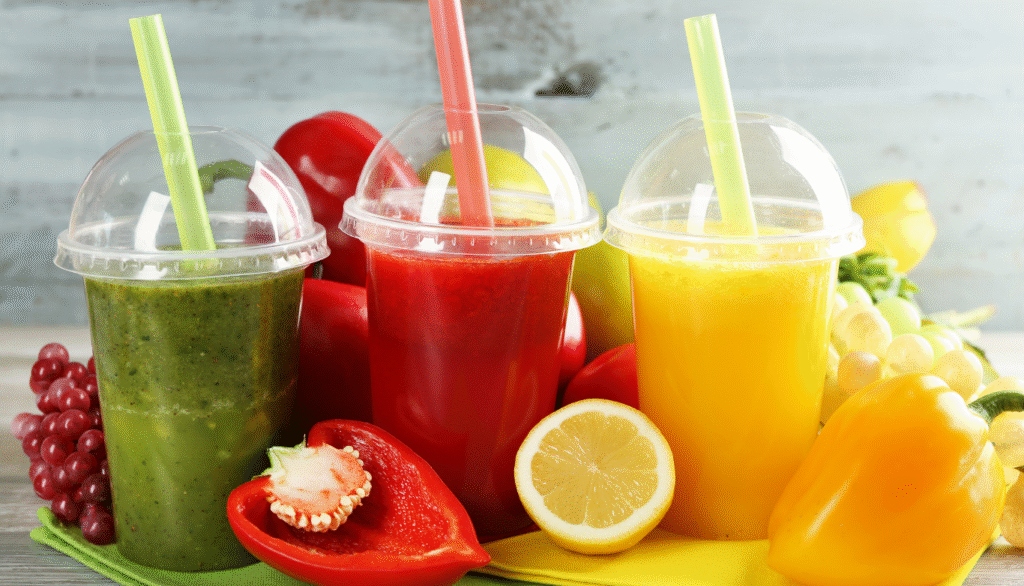
Yes, fruit juice can feel healthy. But when fiber is removed, you’re left with sugar that hits fast. One expert said replacing juice with whole fruit is a better choice. The guidelines for individuals at risk of diabetes recommend replacing sugar-sweetened beverages (including fruit juices) with water or non-caloric drinks. NCBI
Swap suggestion:
Go for whole fruit. Or blend a fruit with lots of vegetables, and skip or dilute the juice. If you must have juice, make it a small portion and always pair it with protein or fat (even 5 almonds help).
5. Brown Rice (and other “safe” grains)
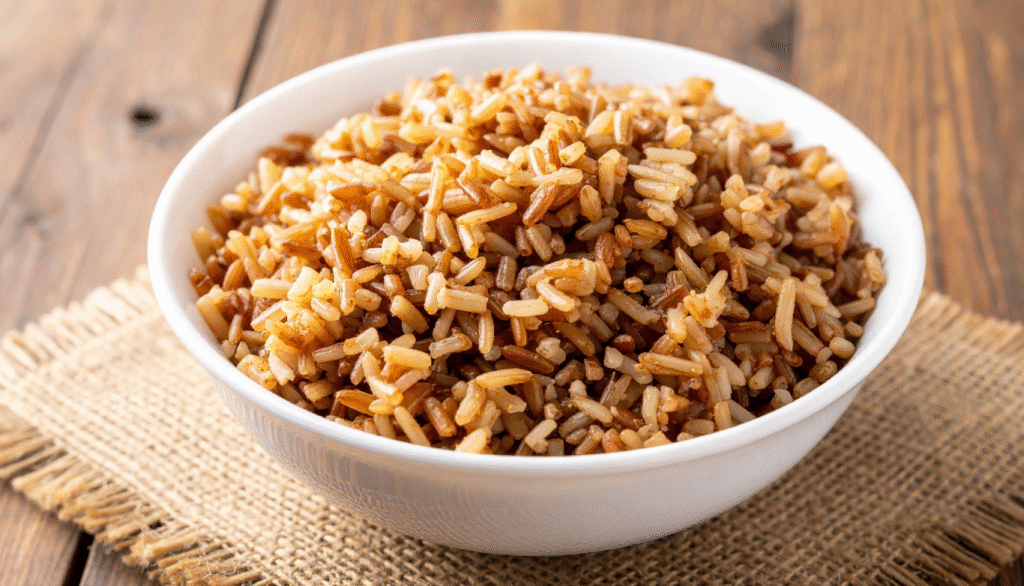
Brown rice gets credited as a “whole grain” and thus is safe. But research says that whole grains still contain starch, and for many people, it spikes glucose. For example, a recent trial found rice and grapes triggered big glucose spikes even in people without diabetes. Stanford Medicine
Swap suggestion:
Instead of a big serving of brown rice, try quinoa, barley, farro, or bulgur—they tend to release energy more steadily. Alternatively, reduce portion size and load up more veggies + protein.
6. Granola Bars
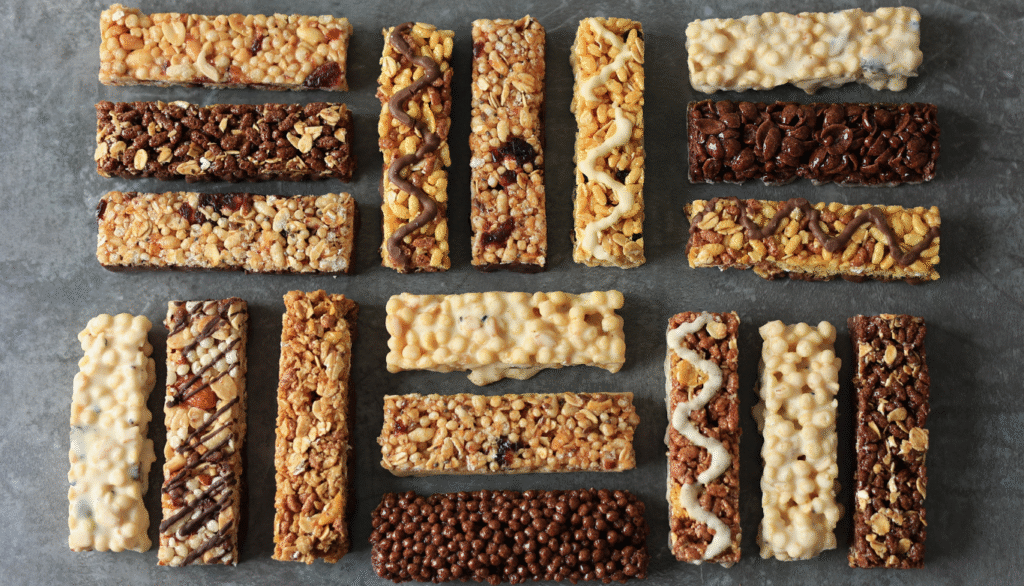
Granola bars sneak in sugar, honey, or syrup as major sweeteners. Many lack enough fiber, protein, or good fat to slow digestion. For people aiming for stable glucose they’re at high risk. Research on snacks supports that combining carbs with protein/fat/fiber stabilizes blood sugar. Verywell Health
Swap suggestion:
If you want a “bar,” pick one with <6 g added sugar and at least 5 g fiber, plus some protein. Better yet: make your own snack – nuts + seeds + a little dried fruit + dark chocolate.
The Smarter Game Plan
- Balance is your best friend. According to a senior nutritionist, mixing carbs with protein, fiber, and healthy fats helps control blood sugar. Mass General Brigham
- Order matters. Eating veggies and protein before carbs can reduce post‐meal glucose peaks. TIME
- Portion and quality matter. Even whole grains and “healthy” carbs can spike glucose if the portion size is large or the fiber is stripped. The Nutrition Source+1
- Know your beverages. Drinks are fast tracks for sugar to hit your bloodstream.
- Wearables, apps and tracking help. If you’ve got some tech, tracking glucose (if relevant for you) or just monitoring your energy/crash patterns can clue you in to which foods secretly sucker-punch your system.
Why Your Audience Will Love (and Share) This
- It pulls back the “healthy” veneer on foods people feel safe about, giving them real aha-moments you don’t see every day.
- It’s full of actionable swaps (not just “avoid this food”) so readers feel equipped.
- It explains why, with evidence and quotes from credible sources—not just “eat this because I said so.”
- It uses plain language, relatable tone, and invites conversation (think: “Wait, oat milk? Really?”).
- It taps into big pain-points: energy slumps, belly fat, cravings, feeling like your diet’s “good” but not working.
In Closing
So next time you reach for that “healthy” 8 oz oat latte, or down a fruit juice on the go, or assume brown rice is your safe zone — pause and ask: how’s this going to hit my bloodstream in the next hour? Because it’s not just dessert that can spike your sugar — sometimes it’s the foods proudly labeled “plant-based,” “gluten-free,” or “whole grain.”
Flip the script: pair the carbs with protein/fiber/fat, serve veggies first, pick slower grains, drink smart, snack smart. Over time, your energy will stay higher, cravings lower, belly fat less stubborn, and your system will thank you.
If you found this useful—share it with someone who thinks their “healthy swap” is doing more harm than they know 😉