Your Morning Coffee Could Be Sabotaging Your Prescription Drugs in Sneaky Ways

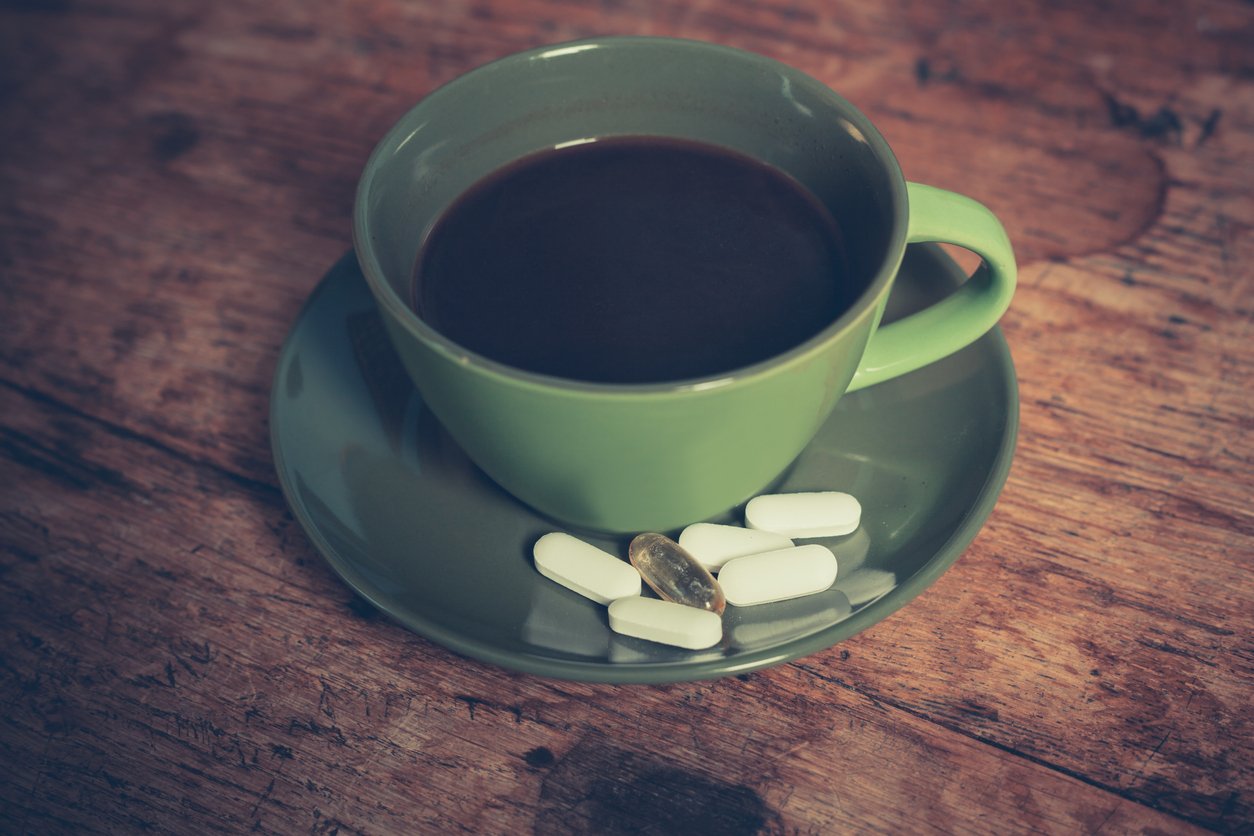
If you’re one of the millions who don’t feel truly awake until that first sip of coffee, pause here for a moment. What if I told you that beloved ritual might be working against your medication—not because coffee is “bad,” but because timing and interplay matter more than you think.
Let’s dive in, uncover the science, pull back the curtain on the subtle interactions, and walk away with smart, realistic tweaks—not surrendering your latte, but learning how to play it smarter.
Why this matters (and why you should care)
You aren’t necessarily doing anything “wrong” by having your coffee. But if you’re also on prescription medications—blood pressure meds, thyroid hormones, mental-health treatments, blood thinners, even some cold/allergy remedies—then coffee isn’t just a morning pleasure; it’s a potential variable in how your treatment works. A quiet one, but meaningful nonetheless.

According to a review of research, coffee (and by extension caffeine) can influence all four major phases of how a drug moves through your body: absorption, distribution, metabolism, and excretion. Harvard Health+2Wiley Online Library+2
In other words, your coffee might change how fast or how much of your medication gets into you—or how long it stays active. For someone managing a chronic condition, “how long” or “how much” can matter a lot.
How caffeine and medications tangle (and three big interaction zones)
1. Drugs that require a stable blood pressure or heart rhythm
Caffeine itself temporarily raises heart rate and blood pressure. Harvard Health+1
Add in a medication designed to stabilize heart rate or blood pressure, and you have potential overlap, unpredictability, or even amplified side effects.
Example: If you’re on a beta-blocker or an antihypertensive and you chug coffee right as you take the pill, you might be asking your body to “do two things at once.” One drug says “slow and steady,” caffeine says “go alert and faster.” That clash might mess with how well the drug can do its job.
Also, there are blood-thinner concerns. Caffeine may reduce clotting, and when combined with an anticoagulant, the risk of bruising or bleeding goes up. A review noted caffeine might interfere with blood-clotting drugs. PMC+1
2. Drugs that must be absorbed steadily (hello thyroid, bone meds)
Here’s one of the clearest examples: when you take your thyroid hormone – say the synthetic hormone many people need – the timing around coffee really matters. A study found that taking levothyroxine (thyroid hormone) with coffee lowered absorption by about 30-36% compared to taking it with water. PubMed+2Healthgrades+2
Why? Because coffee changes things in your gut: it speeds transit, changes pH, and adds compounds that interfere with absorption. The bottom line: if you take thyroid meds and drink coffee immediately after, you may be under-treating without knowing it.
Similarly, medications for osteoporosis or other drugs that require “empty stomach with water” can be impacted when coffee enters the mix. Wiley Online Library+1
3. Drugs that affect the nervous system/mood/brain chemistry
Since caffeine is a central nervous system stimulant, it can amplify or interfere with medications that affect mood, brain chemistry, or airway function. A review pointed out that caffeine interacts with many psychiatric medications via shared metabolism through liver enzymes. PubMed+1
What that means: If you’re on an antidepressant, antipsychotic, or maybe an asthma medicine that relaxes airway muscles (and has stimulant-like side effects), drinking coffee at roughly the same time could:
- make side-effects worse (jittery, anxious, racing heart)
- reduce medication effectiveness (because metabolism is altered)
- create unpredictable response patterns
So… what can you do without giving up coffee entirely?
Here are smart, non-robo tips you can apply and share with your audience of busy moms, entrepreneurs, creatives—because you’re not here to stop living. You’re here to live well.

- Separate your meds and your coffee by time.
For many meds, waiting 30-60 minutes (or longer) after taking the drug to have your coffee is advisable. This gives the medication a head start before caffeine enters the mix. For example, thyroid meds often require waiting at least an hour before coffee. Healthgrades+1 - Take meds with plain water when possible.
Your pill doesn’t want a sidekick in the form of a hot caffeine bomb. Water = safest bet. Coffee adds acidity, compounds, and can speed up digestive transit. Harvard Health+1 - Know your medications and ask your pharmacist.
Every medication has its own absorption/metabolism story. If you’re on BP meds, mood meds, thyroid therapy, anticoagulants, asthma meds, ask “Does caffeine affect this?” Because yes, there’s a broad set of documented interactions. Medical News Today+1 - Be consistent.
If one morning you take your pill and minutes later have coffee, and the next morning you wait 2 hours, you’re introducing variability. Try making the timing consistent so your body and medication have a predictable rhythm. - If you’re struggling with absorption or symptom control, look at timing.
For example, if you’re on thyroid meds but your labs aren’t going down as expected, maybe coffee is part of the back story. A shift in timing might improve things significantly.
A note to my mom-preneur, creative, busy-life tribe
You’re juggling more than most: family transitions, creative output, brand-building, self-care (in all the messy, beautiful ways). So yes, you deserve that coffee ritual. But your health and medication routines deserve as much intention.

Here’s your lens: coffee isn’t the enemy, sloppy timing is. You don’t have to become militant. Just become strategic.
Share this with your fellow creatives, mothers in transition, and entrepreneurs waking up before dawn. It’s not about fear—it’s about empowerment. Knowing that your morning brew has a little interplay with your meds allows you to show up sharper, mood-stronger, and health-savvy.
Final Pour: Summary & Takeaway
- Your morning coffee habit can affect your prescription meds—especially if the timing is tight, the meds are absorption-sensitive, or they affect your heart, thyroid, or nervous system.
- Research shows medications like levothyroxine may have up to 30-36% reduced absorption if coffee is consumed too soon. PubMed+1
- Caffeine can also interfere with blood-thinners, psychiatric meds, asthma drugs, and more. PMC+1
- The fix isn’t removing coffee—it’s adjusting timing, being consistent, and using water as your med-escort.
- Empower yourself: ask your pharmacist the question “Does caffeine affect this med?” and be ahead of the curve.
So yes—drink your coffee. But let’s make it work with your medications, not against them.