Full, Not Starved: How Veggies Can Help You Lose Weight Without the Guilt
Alright, busy moms, aspiring entrepreneurs, creatives — let’s have a real talk. You’ve probably been told that eating more vegetables is your golden ticket to shrinking waistlines. Yes, veggies are helpful. But no, they’re not magical. This is for you who juggle deadlines, snack-cravings, side hustles, and family dinners. Let’s lean in.
Why we love vegetables… and why we should keep our expectations grounded

Most vegetables are ridiculously low in calories, so you can fill your plate without filling your calorie bank. They’re packed with fiber and water, which helps with that “I’m stuffed” feeling — so you might eat less overall.
Research backs that up: one 16-week study found that changes in fiber intake were a “consistent and strong predictor of weight loss.” PMC
Another review found that increasing vegetable intake was associated with modest weight loss — though not dramatic. PMC
And beyond weight: eating more veggies correlates with lower risks of heart disease, some cancers, and all-cause mortality. PMC+1
So yes — veggies = good. But they are one piece of the weight-loss puzzle, not the whole puzzle.
The “How It Works” (Without the Hype)
Fiber + Fluid = Fuller Faster
Veggies bring both water and fiber. The water takes up space in your stomach, the fiber slows digestion and keeps you feeling satisfied longer. One systematic review concluded: “A proposed mechanism of the benefit of fibre on weight control is the suppression of appetite and increased satiety.” MDPI+1
Low in Calories = Low Risk, Not No Risk
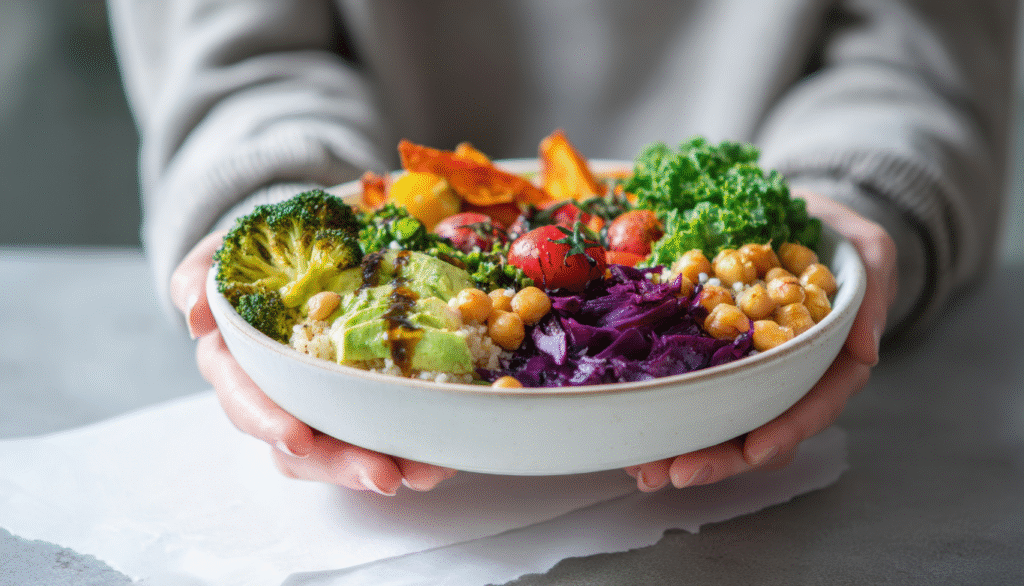
Since many vegetables have very few calories, you can eat a generous volume. That’s a smart move if you’re trying to shift your eating habits without feeling deprived. But — and this is important — if you treat veggies like a blanket excuse to ignore other parts of your diet, you’ll stall. Many studies show vegetables aid weight maintenance better than massive weight loss. PMC
Extra Nutrients = Health Boost Beyond The Scale
It’s not just about the scale. The protective effect of vegetables against chronic diseases is real. For example: each extra serving of leafy greens was linked with reduced cardiovascular risk. OUP Academic+1
But hold up… it’s NOT a miracle solution
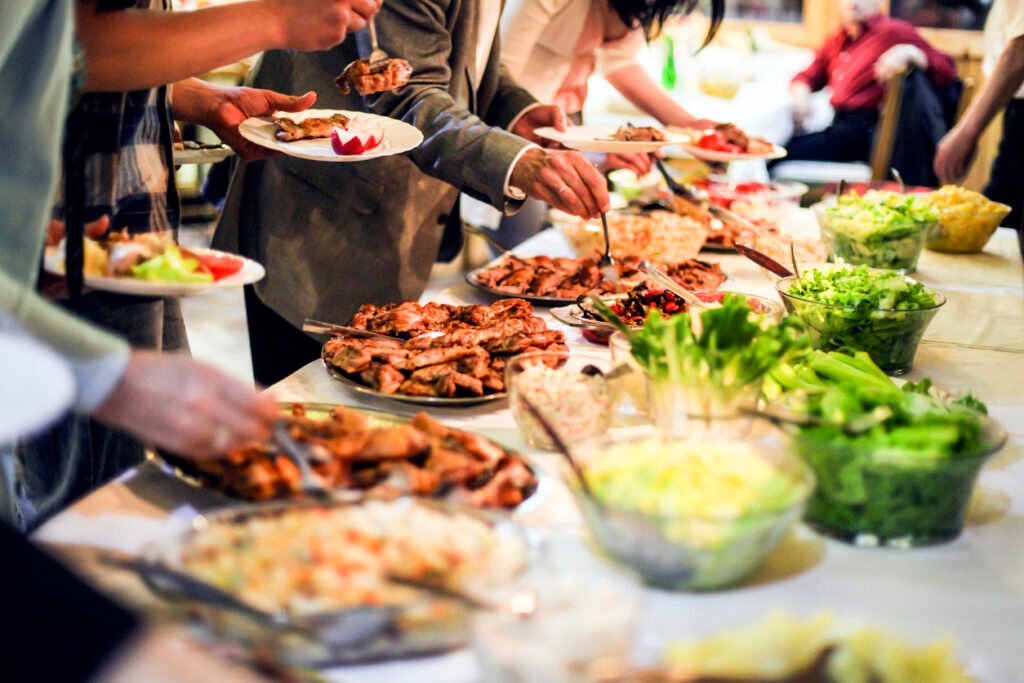
· Eating lots of vegetables won’t override a diet heavy in sugar, processed food, and sedentary habits.
· Some studies show only small weight changes: for every extra serving of vegetables per day, weight loss over four years was around 0.09-0.10 kg. PMC
· Over-eating any food can lead to weight gain—volumes matter, composition matters.
· If you fill your plate with veggies but skip protein, healthy fats, or sleep, you still lose the foundation of a solid plan.
My “Half-Your-Plate Veggies” Game Plan
Let’s put this into real-life, mom-friendly, entrepreneur-friendly terms.
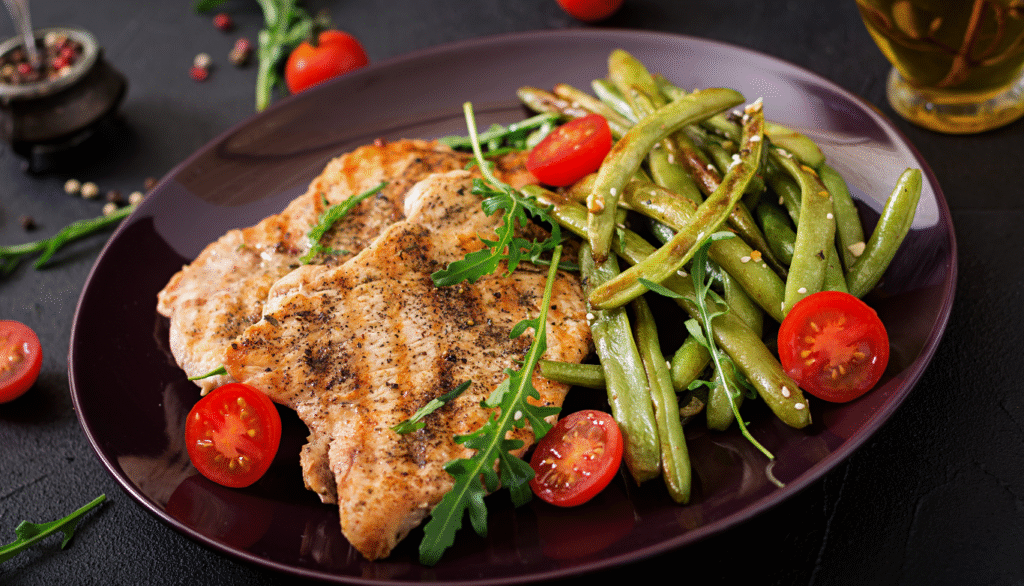
- Make half your plate veggies and fruit at each meal. This is supported by guidelines and makes your plate look colorful, abundant, and satisfying.
- Prioritize watery & high-fiber veggies. Think cucumbers (~97 % water), zucchini, broccoli, cauliflower. These provide more volume with fewer calories.
- Rotate the star veggies. For variety and nutrients:
- Asparagus: low calorie, decent fiber.
- Cauliflower: great substitute for rice or mash.
- Zucchini: great as “zoodles”.
- Integrate veggies, don’t isolate them. Toss into your pasta, omelets, smoothies, sauces, dips. Make them the “base” not the “side”.
- Use them as a shield, not a crutch. Veggies certainly help—but pair them with adequate protein, healthy fats, consistent sleep, and movement for maximum effect.
Best Vegetables (and How to Use Them)
Here are some top picks and little usage hacks:
- Asparagus: ~27 calories per cup raw. Lightly roast with lemon for dinner.
- Broccoli: ~31 calories per cup. Dip raw in hummus for snack or steam with garlic.
- Cauliflower: ~27 calories per cup raw. Pulse into “rice” or mash as potato alternative.
- Celery: ~14 calories per cup raw. Great crunchy snack or stir-into smoothies.
- Cucumber: ~13 calories per cup raw. Make into salad or “noodle” with spiralizer.
- Leafy greens (kale, chard, lettuce): 5-10 calories per cup raw. Blend into smoothies or sauté for dinner.
Final Takeaway
Vegetables: not the single “magic bullet” for weight loss. But absolutely one of the best tools in your toolkit. They give you volume, fiber, nutrient density, and health-protecting power. If you consistently fill half your plate with veggies, pair them with real food, good sleep, hydration, movement, you’ll build a sustainable, satisfying eating rhythm — one that sticks, one that supports your mama-boss lifestyle, one that aligns with your growth-minded vibes.
If you’re ready to take it further, I can pull together a printable “Veggie Volume” meal template, complete with shopping list, meal ideas, and snack swaps. Want me to build that for you?