
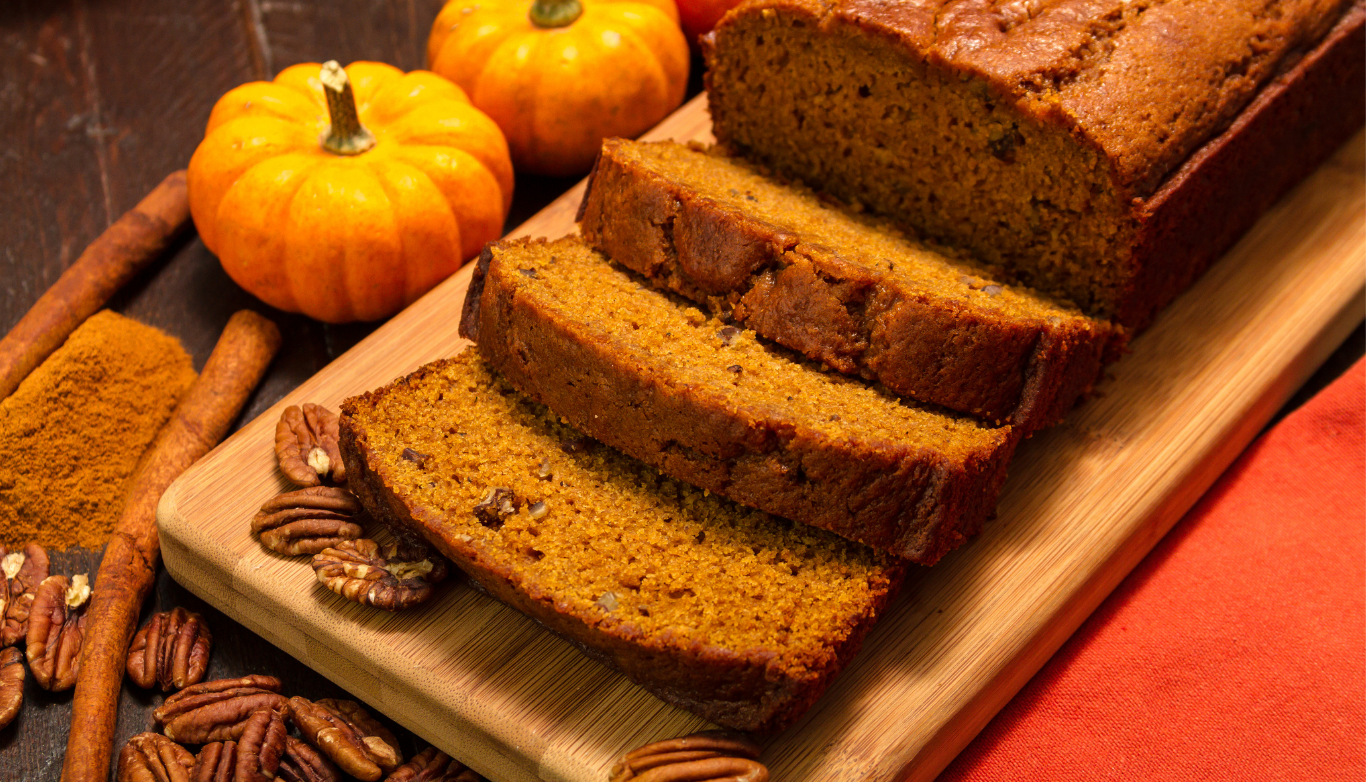
Why Pumpkin Bread Just Won Fall—Flavor Wars in America
If you thought the pumpkin spice latte (yeah, we know you love it) was leading the autumn charge, think again. Across the U.S., something quieter, cozier, and crumbier has quietly become the reigning seasonal champion: pumpkin bread.
A little history to set the mood
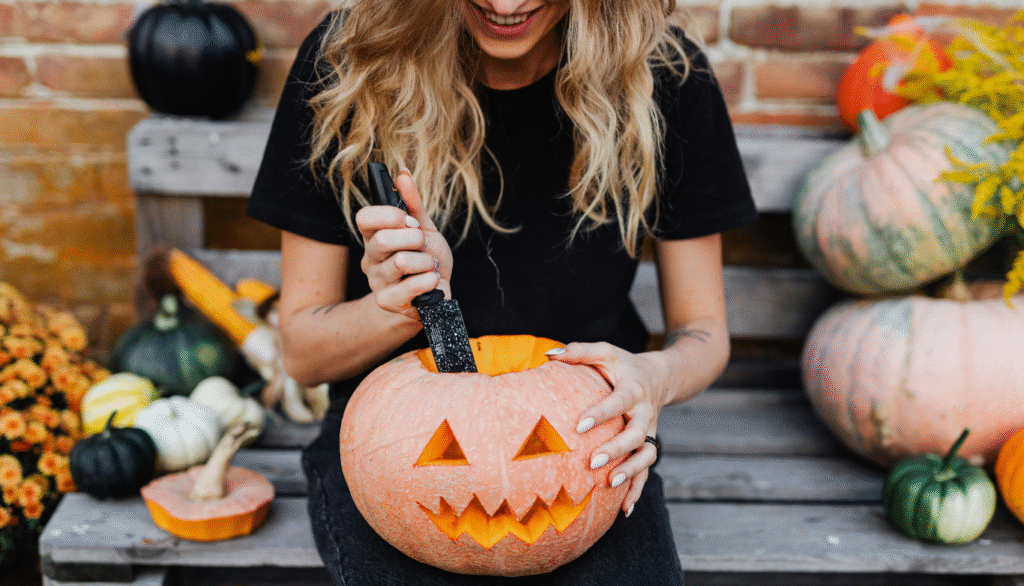
The pumpkin may be orange, round, and cliché for Halloween—but its culinary story is surprisingly deep. Indigenous peoples in what’s now Mexico and the American Southwest were cultivating pumpkin varieties thousands of years ago. Ancestral Nutrition Foundation+2ICT+2 Some of the earliest colonial-era American cookbooks include pumpkin recipes — mashed pumpkin with butter and spices, for example. PBS+1
As for pumpkin bread specifically, one food historian found a recipe published in the mid-1800s, and another source notes that by the early 1900s, it was appearing in mainstream U.S. papers as a quick bread favorite. KQED+2Once Upon a Chef+2 So yes — it’s not brand-new, but the love affair we’re seeing now? That’s fresh.
So what’s going on this season?
An analysis of search interest across states shows pumpkin bread ranked #1 in the most states for “pumpkin-based foods” searches. While sweets, muffins, and cookies also appear, pumpkin bread dominated across the South, Midwest, and West. In contrast, a few states preferred soup. Others seeded it.
Researchers of seasonal flavor notes explain: When consumers feel cozy, nostalgic, safe, they gravitate toward foods that deliver sensory cues (spice, warmth, texture) and emotional cues (home, cooking, memory). One study noted that pumpkin spice’s enduring appeal stems from it being smell-rich and memory-triggering. Business Insider+1
So here’s the twist: It’s not just the flavor of “pumpkin spice” anymore—people are craving real pumpkin in comforting forms. Soup. Seeds. Bread.
Why pumpkin bread wins (and how you can ride that wave)
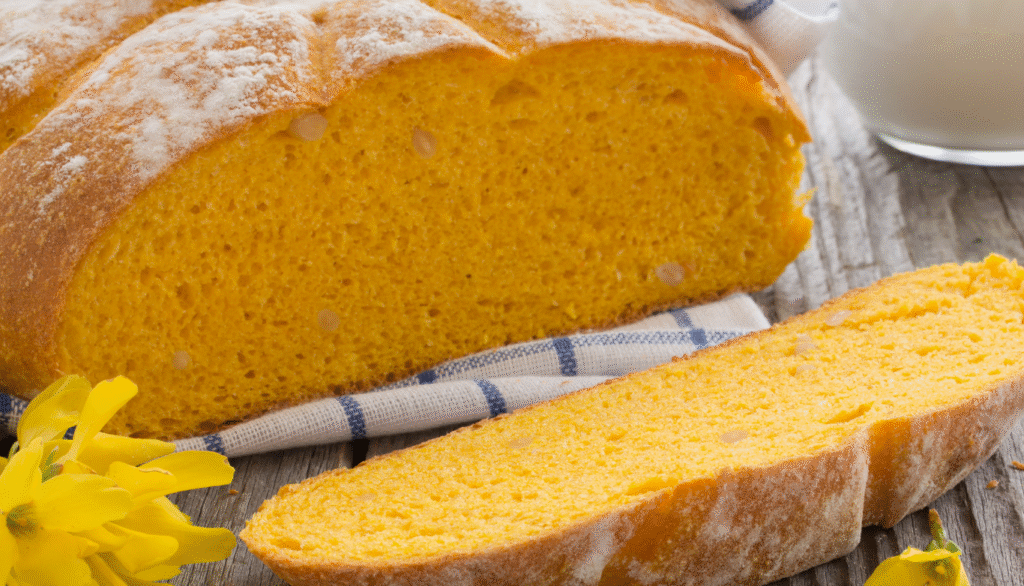
1. Comfort made portable and indulgent.
Bread is home-cooked, communal. It’s breakfast, snack, treat. More affordable than dining out. One consultant observed that home cooking has spiked owing to both cost pressures and pandemic-era habit shifts. And that means more pumpkin bread.
2. It taps nostalgia and novelty.
While pumpkin spice has been soaked in marketing, pumpkin bread offers subtlety: familiar, warm spices + the surprise of loaf form. That mix triggers both memory and novelty.
3. It’s region-agnostic but customizable.
Bread fits kitchens from Idaho to South Carolina, from Montana to Oregon. You can tweak nuts, glazes, streusel toppings, and dietary swaps (gluten-free, vegan). That adaptability helps it dominate.
4. It gives your audience a hero recipe to share.
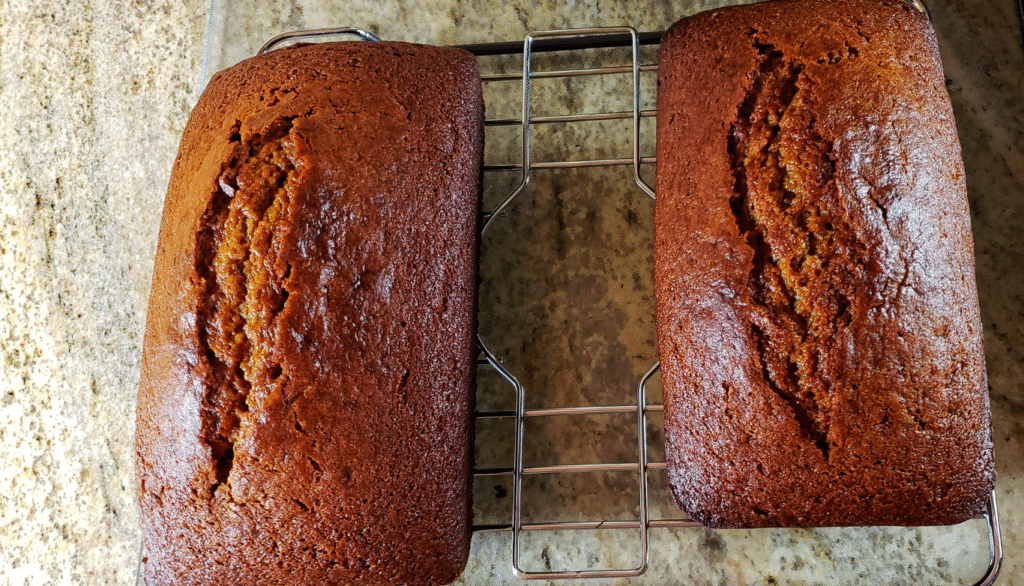
If you’re creating content—for social, blog, newsletter—pumpkin bread is your candidate. It invites imagery (loaves, slices, drips of glaze), invites baking at home, and invites lifestyle tie-ins (coffee, book, sweater). People share these.
What you can tell your readers to lean into
- Encourage them to try a signature loaf moment: “…while you’re putting on that chunky scarf and hearing leaves crunch outside.”
- Suggest variations: “Swap pumpkin bread into muffin form for on-the-go crunch.”
- Highlight regional spins: “In warmer states where heavy baking isn’t a daily vibe, light versions—pumpkin seeds or breads with citrus zest—are rising.”
- Include a short historical nugget: “That recipe from the 1840s? You’re baking heritage.”
- Connect to community: “Send a pic of your loaf with #PumpkinBreadWins and tag me—let’s build the fall vibe.”
The takeaway your audience will love
Yes, we still appreciate the latte, the cookies, the soup—but this fall, pumpkin bread quietly grabs the crown. It’s not loud. It’s not over-hyped. It’s warm, inviting, shearable, and tailor-able. If you’re in content creation, it gives you a story people want—comfort, authenticity, shareability, and a reason to press “bake” and “post”.
Let your readers know this isn’t fluff. This is heritage meeting trend. It’s a recipe and a moment. And when they slice into that loaf, they’re not just eating bread—they’re eating a season.