
Why the Supplement You Thought Was Just for Gym Bros Might Be Your New Inner-Age Hack
Let’s talk about a supplement you typically hear in screams of “bench-press gains!” but barely in the glow-up, longevity, heart-smart, or brain-sharp conversations. That needs to change.
The supplement is creatine — yes, the same one stared down by bodybuilders at the gym. But recent research is nudging it into the spotlight for far bigger things: brain power, heart health, preserving bone, and aging well.
Here’s the real talk: if you’re serious about not just living longer but living better, you’ll want to listen up.
What Creatine Actually Does
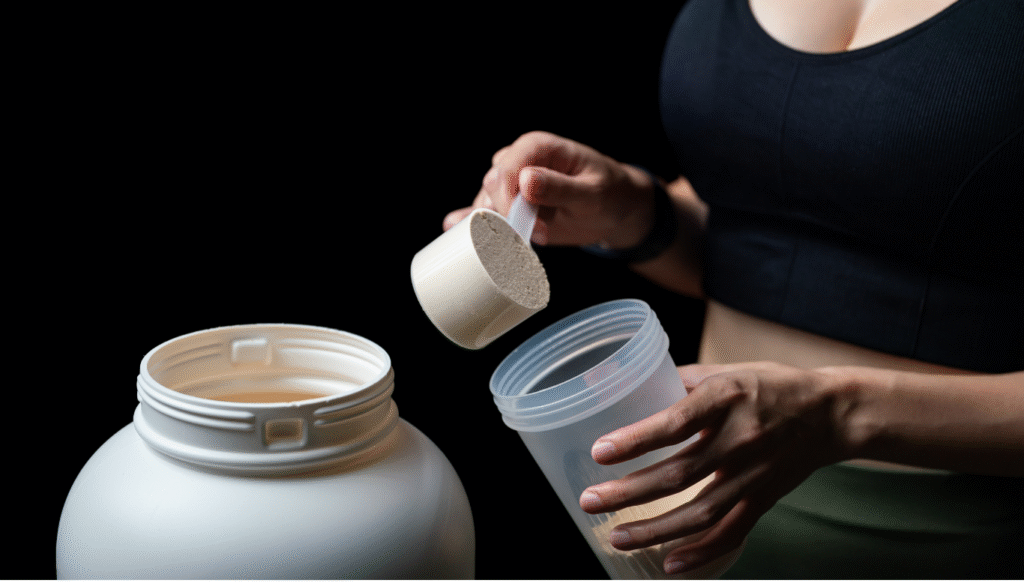
Your body uses adenosine triphosphate (ATP) for energy — every move, every thought, every heartbeat. Creatine helps regenerate ATP. In simple terms, it gives your cellular energy a boost, so your muscles, brain, and yes, even your heart, get a little help.
Historically, its fame comes from the gym— “more reps, more power.” But guess what? Recent science says the benefits might stretch far beyond the iron plates.
Brain Gains: It’s Not Just for the Biceps

If you’ve ever worried about brain fog, memory slips, the “Am I losing it?” feeling, this is your section.
- A 2024 meta-analysis found that creatine supplementation significantly improved memory performance in healthy individuals, especially those aged 66-76. OUP Academic+2BioMed Central+2
- A related review highlighted that the evidence is still mixed for processing speed, attention, and executive function — meaning it’s promising, but not magic. Frontiers
- Another review pointed out that creatine may raise brain creatine levels and improve cognition, particularly under metabolic stress (think: sleep deprivation, aging, injury). SpringerLink+1
Takeaway: If your brain is under extra demand (ageing, recovery, stress), creatine could be one of your tools. If you’re young, well-fed, and rested every night, effects may be modest.
Heart & Vascular Health: Bold but Real

Your heart is a muscle, too, and it demands energy just like your legs do in a squat rack. Several pieces of research indicate that creatine could support your cardiovascular system.
- One review noted that in heart failure, diminished creatine and phosphocreatine levels correlate with worse outcomes—suggesting supplementation might help. PMC
- In older adults, a study found that acute creatine supplementation improved vascular parameters related to arterial stiffness and atherosclerosis. PubMed
- Preliminary cardiac trials show creatine might be safe and improve functional capacity in heart failure patients. Reccardioclinics+1
Takeaway: While more large-scale trials are needed, creatine is looking like a hidden heart helper. Not a replacement for doctor-prescribed heart treatments, but a potential ally worth talking about.
Ageing Gracefully: Muscle, Bone & Longevity

Here’s where it hits home, especially if you’re thinking long game rather than just next month’s six-pack.
- A 2019 review found that creatine supplementation has “the potential to increase aging muscle mass, muscle performance, reduce risk of falls, and perhaps attenuate bone mineral loss.” PMC
- Experts say that combining creatine with resistance training has the most potent effect on muscle strength, mobility, and quality of life in older adults. Frontiers
- On the safety side, decades of research note that creatine monohydrate is one of the most well-studied supplements and “can be safe and beneficial throughout the lifespan.” PMC+1
Takeaway: If staying mobile, strong, and independent decades from now is in your vision, creatine might just earn a spot in your toolbox.
So… Should YOU Be Taking It? (Spoiler: Maybe)
Here’s the backstage playbook to help you decide if this enters your routine.
• Dosage & Form
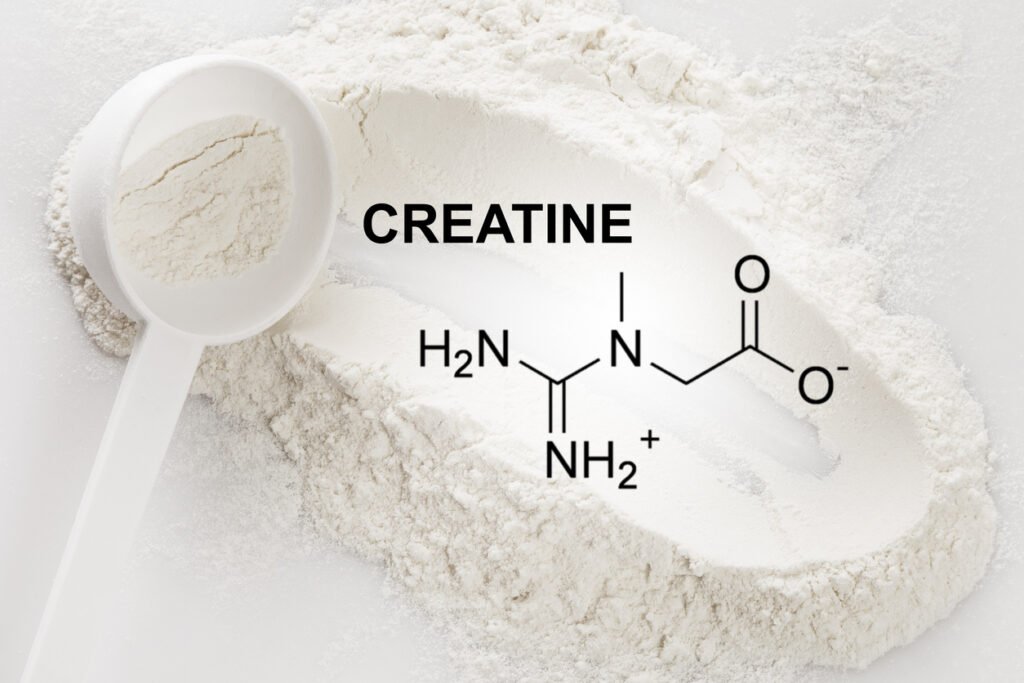
Most human studies use ~3-5 grams per day of creatine monohydrate — the form with the most research. BioMed Central+1
No mandatory “loading phase” (20 g/day) for most people — low-steady dose works. BioMed Central
• What’s the best scenario?
- Over age 50 and strength training: strong candidate.
- Looking to support brain recovery, aging brain, stress: promising.
- Already highly trained, in perfect health, young: benefits may be smaller.
- Have kidney disease or take medications affecting the kidneys: talk to your doctor before diving in.
• Safety Notes
- For healthy individuals, creatine is well-tolerated, and long-term data (years) are reassuring. BioMed Central+1
- It’s not magic: any supplement needs the foundational backing of good sleep, movement, nutrition, and stress management.
- Choose quality: look for third-party testing. Supplements, in general, are less strictly regulated than drugs.
- Especially if you have existing health conditions, medical clearance is wise.
Real-Life Example: Why This Matters

Imagine you’re in your late 50s, starting to feel that you’re losing ground—maybe tired earlier in the day, your memory lapsing, the weights feel heavier. Or you might simply refuse to let “getting older” mean “slowing down.”
You commit to a resistance-training routine. You also add a small scoop of high-quality creatine. After 6-12 months: you’re lifting with more confidence, your bone scans aren’t dipping as fast, your afternoon brain fog is shorter-lived, and you just feel… more resilient.
That’s the kind of scenario the research is hinting at.
The Bottom Line
Yes, creatine is still the “gym-supplement” icon. But staying stuck in that mindset means missing the real story: this molecule that fuels gold-medal sprinters may also fuel durability, brain clarity, and cardiovascular resilience.
If your goals include staying sharp, powerful, and independent for decades—not just the next rep—then creagreeate (yes, I meant that) some intentional conversation with your doctor or a qualified dietitian. Because this quietly badass supplement might become your unseen partner in aging well.
Bonus: If you do choose to try it, let your brain and body tell the story—less brain fog, sharper recovery, stronger bones—and then share it. Your audience will thank you.