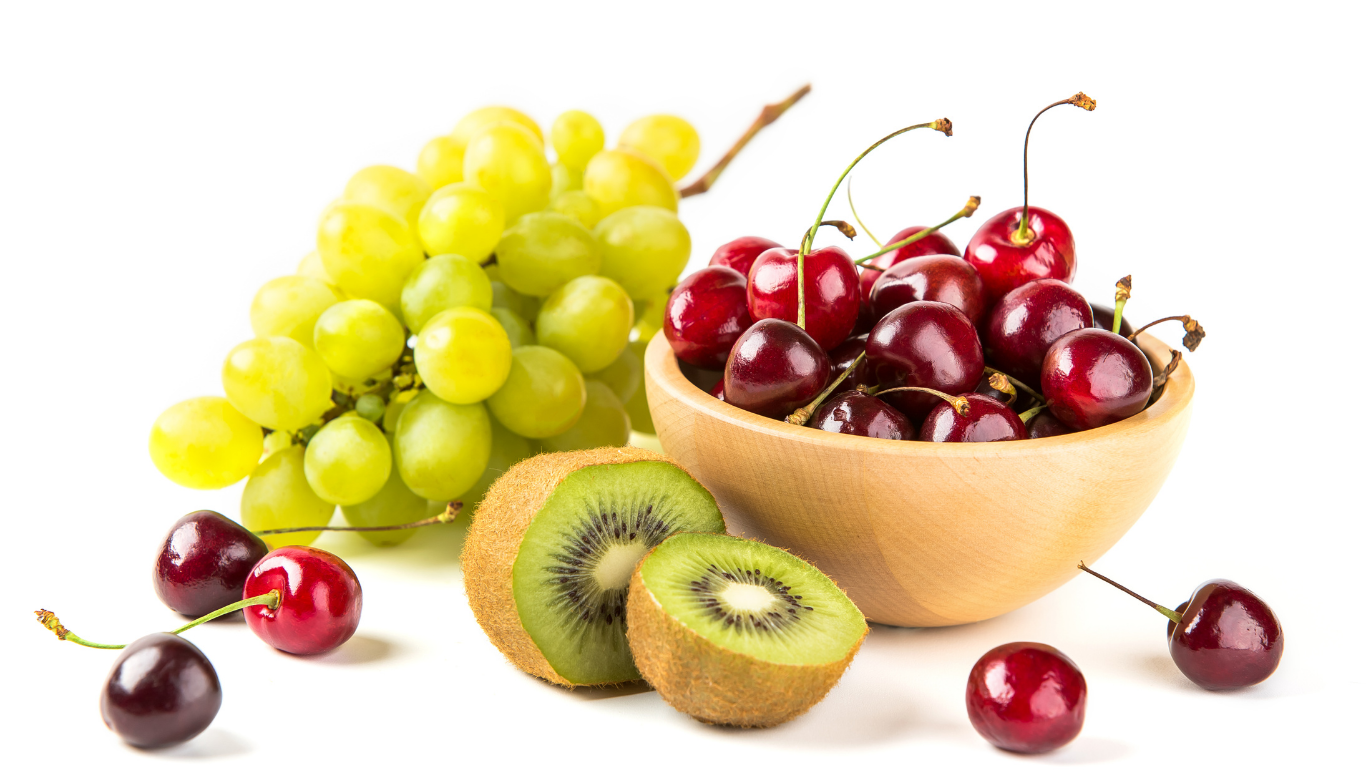
Why you keep waking up when you should be conking out
Let’s face it: you’ve tried the lavender pillow spray, the tech shutdown at 9 pm, maybe even the warm milk trick. But if you’re still staring at the ceiling, it’s time to look beyond the usual suspects and ask: what are you eating—or not eating—that’s messing with your body’s built-in sleep rhythm?
Sleep isn’t just about “turning off” your brain. It’s more like syncing a conversation between hormones, signals, and food. One of the key players: the hormone Melatonin, produced by the brain’s pineal gland, which says “it’s bedtime” to your body. But here’s the kicker: you can support that signal with real food.
A growing body of research shows that three fruits in particular deliver natural hormones and nutrients that help your circadian rhythm hum instead of stutter.
1. The tart champion: cherries
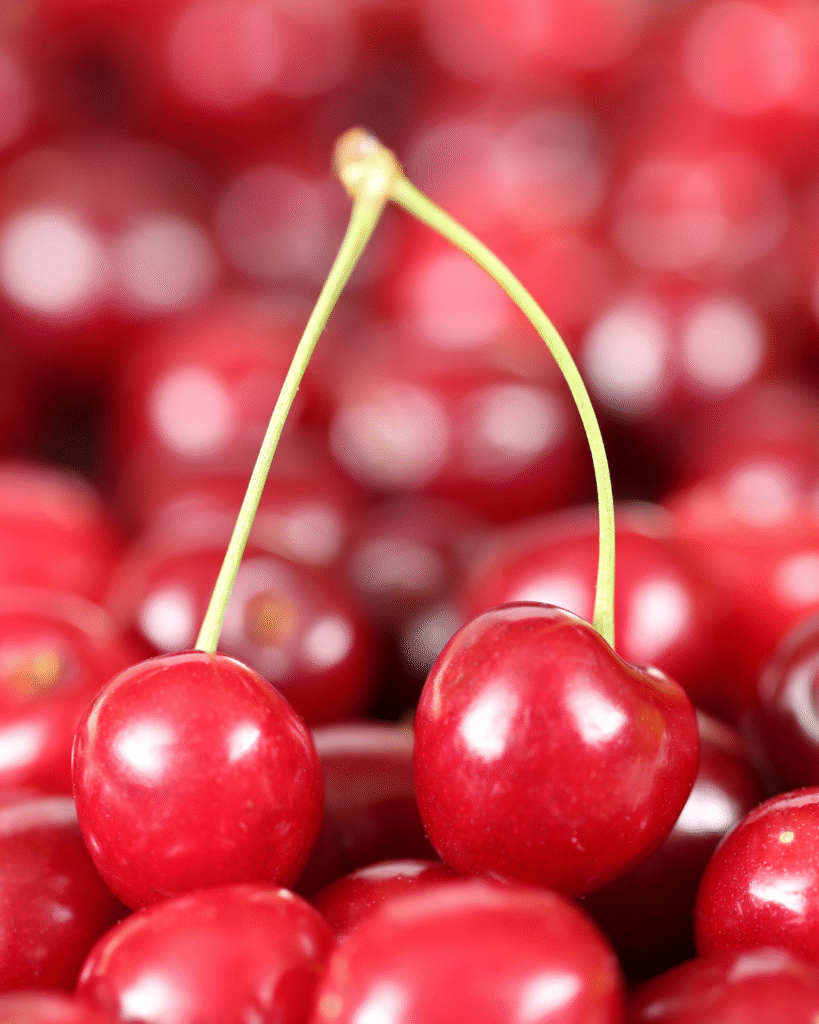
Cherries, specifically the “tart” variety (think Montmorency), are unusual because they* contain melatonin.*
- A randomized study found that cherry‐juice concentrate boosted exogenous melatonin and improved sleep duration and quality in healthy adults. PubMed+1
- A newer meta‐analysis showed that objective sleep efficiency improved significantly when people ingested tart cherry products. SpringerLink
- One widely cited review explains: “Tart cherry juice may help increase your body’s melatonin levels, resulting in better quality sleep.” Healthline+1
Why it matters:
- More melatonin means your body gets the “bedtime” cue louder and clearer.
- Tryptophan in cherries (a precursor to serotonin and melatonin) adds another layer of support. Sleep Foundation+1
- Their anti-inflammatory and antioxidant activity may reduce nighttime awakenings tied to discomfort. Texas Health Resources
How to use this:
Have 1 to 2 cups of fresh tart cherries or an unsweetened tart cherry juice about an hour to two hours before bed. If you’re sensitive to sugar or calories, aim for whole fruit over juice. And yes, avoid the sugary cocktail versions—they might backfire.
2. The fuzzy wildcard: kiwi

You might think kiwi is just for your vitamin C fix. But research shows it might actually help you fall asleep and stay asleep better.
- One 2011 study with adults experiencing sleep issues found that eating two kiwis one hour before bed for four weeks significantly improved sleep onset, duration and efficiency. PubMed+1
- A 2024 review of elite athletes found that the same “two kiwis before bed” protocol improved both sleep quality and recovery. PMC+1
- The mechanism: kiwi is rich in serotonin, melatonin precursors and antioxidants—all silently working behind the scenes. Healthline+1
After eating 2 Kiwis one hour before bedtime, participants reported improved sleep duration, quality, and other parameters.
Why it matters:
In a world where your brain is overstimulated, anything that nudges your nervous system toward “rest” is gold. Kiwi seems to deliver that nudge. Think of it as a gentle whisper to the body: “Hey, slow down now.”
How to use this:
Try 2 medium kiwis about an hour before bed, nightly for a few weeks. See if your time to fall asleep shortens and how you feel in the morning. Important: pair with a dark, quiet room and screen cutoff—because food alone isn’t a silver bullet.
3. The easy win: grapes

Grapes are everywhere and often overlooked as a sleep-aid fruit. But there’s science behind them too:
- Research shows grapes and grape‐related foodstuffs do contain melatonin. A 2017 review explains that melatonin was found in wine grapes, grape juice, and even the skins. PubMed+1
- A health blog cites the presence of melatonin and antioxidants in grapes as one of the reasons it might support better sleep. Vinmec International Hospital
Why treat them like a sleep snack:
While grapes might not be as potent as tart cherries, they are extremely accessible and easy to pop when you’re winding down. They give your body more options for building its own sleep-friendly chemistry.
How to use this:
A small handful of fresh grapes, ideally red or purple (higher antioxidant content), about 30–60 minutes before bed, might add that subtle extra layer of support. Choosing whole fruit—skin included—is important because the melatonin appears in those skins. Real Simple
Putting it all together: an evening sleep strategy
- Pick one or mix two of the fruits above as a pre-bed snack (about 30–60 minutes before you hit the pillow).
- Keep the rest of your routine in check: dark room, cool temperature, minimal screen glow, calm mind. Nutrition isn’t magic—it’s support.
- Watch for fluid intake + portions: too many fruit juices right before bed might mean middle-of-the-night bathroom trips.
- Track how you feel: note how long it takes to fall asleep, how many times you wake up, how you feel on waking. Something subtle might shift within a week.
- Don’t expect miracle overnight cures: While the evidence is encouraging, it’s still early stage for general population recommendations. For example, one review calls the existing studies on cherries “low to moderate quality” and says more work is needed. SpringerLink+1
Final word
If you’re tired of the tossing-and-turning cycle, embrace this shift: instead of tricking your brain, feed your body what it needs to wind down naturally. Incorporating tart cherries, kiwi, or grapes into your evening snack is like whispering to your internal rhythm: “Hey, it’s time to relax.”
Go ahead, be weird for a moment: choose your fruit, chill the lights, and listen to what your body says. Sleep might just show up.