Break the Fast, Don’t Break Your Bones
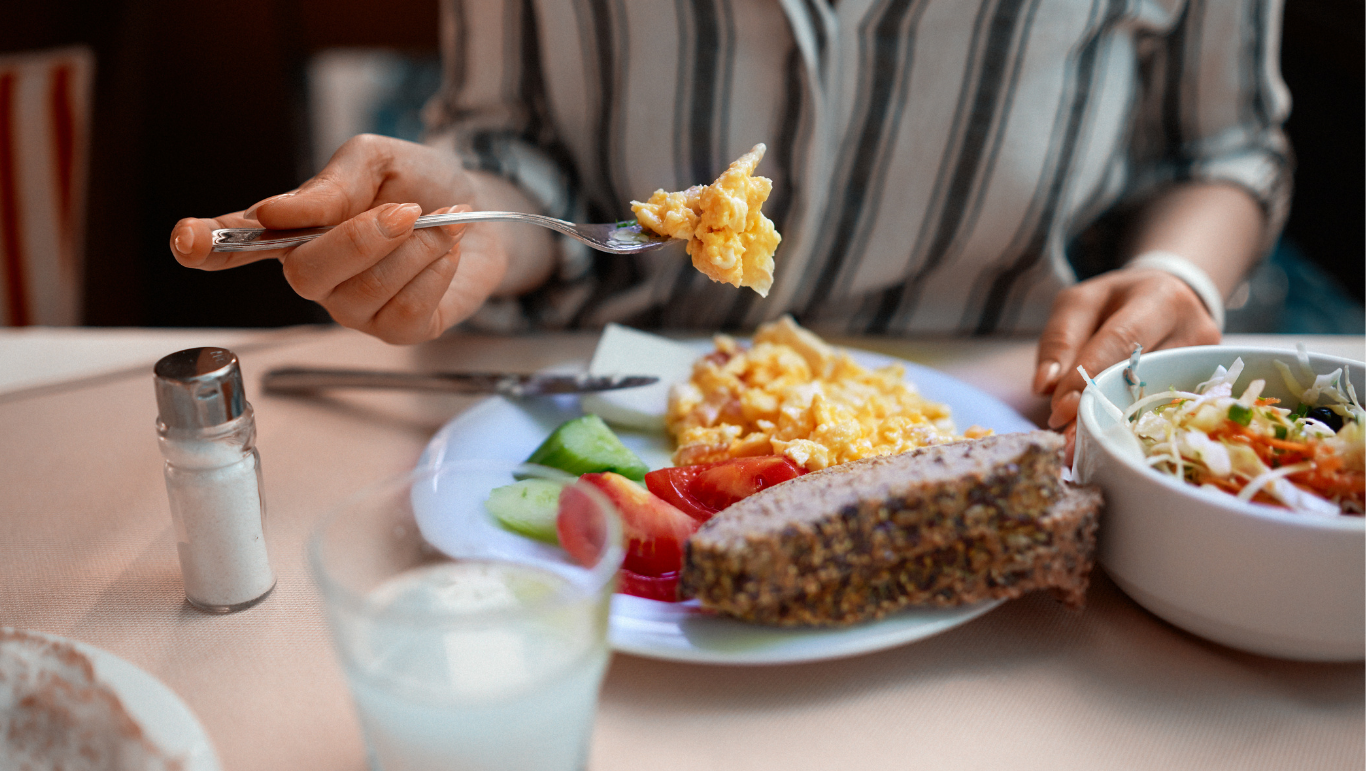
Picture this: you hit snooze, skip the morning meal, wrap up the day with a dinner gobbled down right before bed—and walk away thinking, “Well, one more latte, one more episode, no big deal.” But what if that excuse was quietly chipping away at your skeleton?

A massive study of over 927,000 adults found that skipping breakfast more than three times a week resulted in roughly an 18 % higher risk of an osteoporotic fracture, while eating dinner within two hours of bedtime more than three times a week added around an 8 % higher risk. EatingWell+2UPI+2 When both habits are present, the combined risk jumped by about 23 %. UPI+1
Here’s the part that’ll make you stop scrolling: it’s not just about what you eat or how much—you’ve got to pay attention to when you eat. Let’s dive into why this matters, how it works, and what you can do today to stop your bones from betraying you.
What’s Up With Bone Health?

Bone isn’t static. It’s alive. It’s constantly rebuilding and remodeling itself. As you age, especially if you’re a woman past menopause or a man with other risk factors, the scale tends to tip toward bone loss. This condition—Osteoporosis—shows no warning bells until a fracture happens. Endocrine Society+1
Bones need:
- calcium
- vitamin D
- sufficient mechanical load (hello, weight-bearing exercise)
- hormonal balance
- proper metabolism
When any of these are off, it invites trouble.
The Hidden Culprit: Meal Timing
Why skipping breakfast matters
Researchers found that people who frequently skipped breakfast tended to have lower bone mineral density in the hip area. PubMed+1
What’s going on behind the scenes:
- It may be linked to lower intake of key nutrients like vitamin D and calcium. PMC+1
- It might mess with your body’s circadian rhythm—your internal “clock” that regulates bone-building activities, among others. When that clock is off, bones may not rebuild as effectively. PMC
- Skipping breakfast often comes bundled with other “bad habits”: smoking, less sleep, and less exercise. That cluster effect increases risk. Medscape+1
Why late dinners are sneaky bone saboteurs
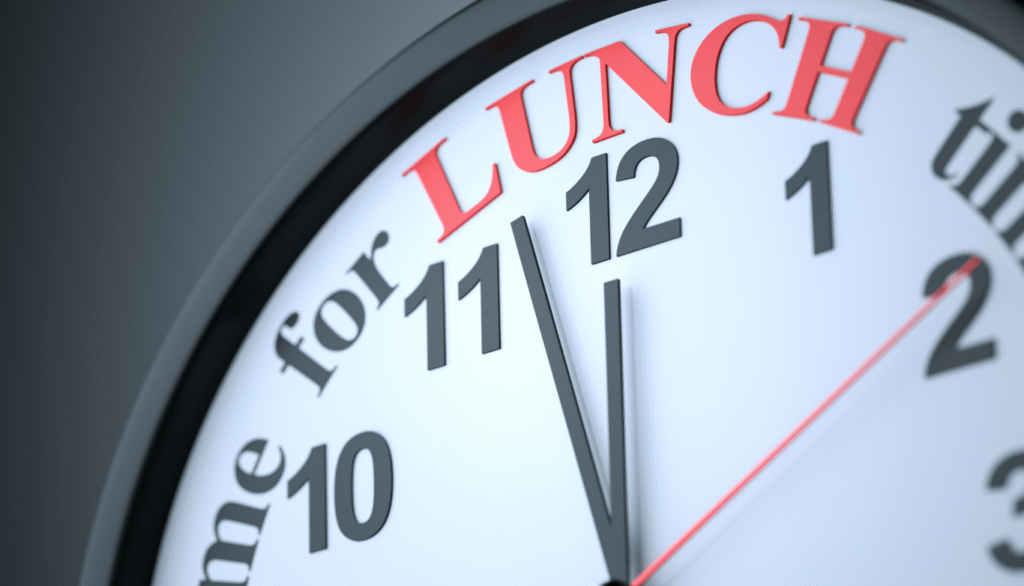
The same study found that a late dinner—defined as eating less than two hours before sleeping more than three times a week—was tied to that 8 % increased fracture risk. Yahoo Health+1
Possible reasons:
- Late eating disrupts hormonal balance, including increases in cortisol (a stress hormone) and oxidative stress, both of which are bad news for bone remodeling. PMC+1
- It may interfere with your body’s natural fasting period overnight, altering how nutrients are handled and how bone tissue repairs itself.
- Again, it tends to coincide with other negative habits—poor sleep, high alcohol, and low physical activity.
What This Actually Means for You
Okay, so you’re not guaranteed a broken hip because you had pancakes a few times late or skipped breakfast once. But the study says these habits independently increase risk—even after accounting for many other lifestyle factors. Endocrine Society+1

Here’s the action plan (so you don’t become a statistic):
- Prioritize breakfast. Even if it’s simple—yogurt with fruit, overnight oats, egg muffins—it helps set your day on track.
- Move dinner earlier. Aim for your last main meal at least two to three hours before you hit the sack.
- Don’t rely solely on timing, though—make sure your beat-down on breakfast and early dinner also includes nutrient-dense choices (calcium, vitamin D, protein) and movement.
- Check in on other habits: smoke-free, moderate alcohol, enough sleep, and weight-bearing exercise all matter.
- If you’ve got osteoporosis or are at high risk, talk with a healthcare professional about how meal timing should fit into your bone-health game plan.
The Big Surprise

When we think of “osteoporosis risk,” we mostly think of age, hormones, genetics, and maybe diet quality. Rarely do we think, “When did I eat?” But the science is nudging us there.
One review on meal timing and bone health notes: “Observational studies suggest a link between breakfast omission and compromised bone health… although lack of control for confounding factors makes these data difficult to interpret.” Cambridge University Press & Assessment
The large Japanese cohort study seems to give that link more weight—even though it doesn’t prove causation. It says: yes, timing matters. So yes, even if you’re eating “well” by macro standards, eating at odd times might be quietly sinking your skeleton.
Final Word
So next time you tell yourself, “I’ll skip breakfast, I’ll have a big dinner late,” remember: your bones are watching the clock. Give them the routine they need—morning fuel, earlier dinner, consistent habits—and you’ll thank yourself later.
Your skeleton isn’t just supporting you now—it’s got decades of doing so ahead. Make sure you’re showing it some respect.