
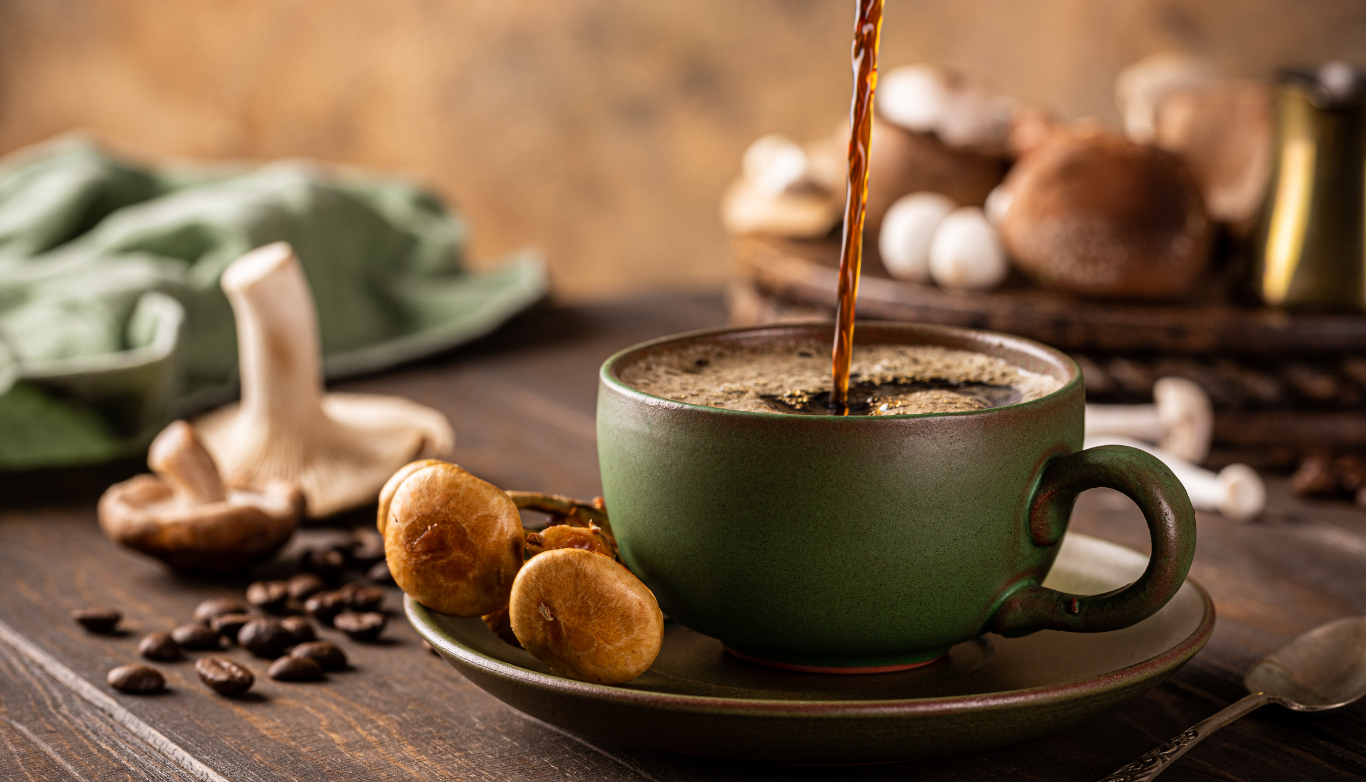
Why Your Morning Cup Might Be Getting a Fungi Upgrade
Imagine swapping your regular coffee for something that looks a lot like it, smells pretty much like it, but comes with a twist: mushrooms. Yes, you read that right. The drink getting buzz lately is mushroom coffee, a blend that pairs traditional coffee (or sometimes no coffee at all) with extracts from medicinal mushrooms. It’s being pitched as a smarter, calmer, more balanced way to energize your day.
Here’s why the trend is growing:
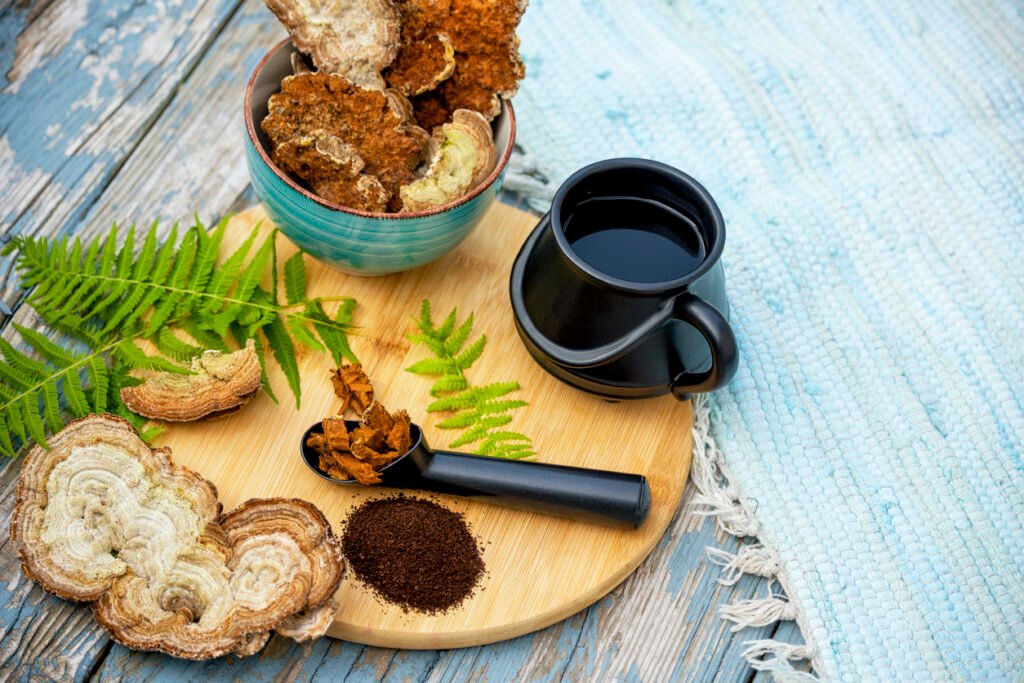
- The mushrooms in question — think varieties like lion’s mane, reishi, chaga, cordyceps — have long been used in traditional systems of wellness for their adaptogenic properties (more on that soon). PMC+2UCLA Health+2
- Big-name health sources are taking notice. One article by a major health institution noted that this brew “may promote better sleep, improved focus, immune-boosting benefits and reduced inflammation.” Harvard Health
- For many coffee lovers who either want to tone down caffeine or just explore something novel, this seems like a fun upgrade: same ritual, slightly different ingredients.
What’s Really Inside the Mug?
Here’s what goes into the cup, and why it’s not totally ordinary coffee.
- Less caffeine, more mushroom-extract action: Unlike a standard cup of joe, many mushroom coffee blends contain about half (or less) of the usual caffeine level. That can mean fewer jitters, less heart-palpitations, and a gentler rise. Medical News Today+1
- Medicinal mushrooms you’ve heard whispers about:
- Lion’s mane (Hericium erinaceus): touted for cognitive support and “brain fog” clarity. Medical News Today+1
- Reishi (Ganoderma lucidum): used for centuries to support immune function, stress adaptation, and general wellness. NCBI
- Cordyceps, chaga, turkey tail, king trumpet, and friends: often included for adaptogenic and immune-modulating claims. Harvard Health+1
- Adaptogens, baby: Adaptogens are substances (plants or mushrooms) that may help your body cope with stress, fatigue, and changes in your environment. Cleveland Clinic+1 These functional mushrooms may help regulate how your body reacts to external stressors.
- Bioactive compounds at play: Research shows mushrooms can be rich in antioxidants, beta-glucans (types of polysaccharides), polyphenols and more — all of which may support immune health, inflammation control, and cellular maintenance. Frontiers+1
What the Research Does Say (and What It Doesn’t)
Let’s get honest about the science: promising? Yes. Bulletproof miraculous? Not yet. Here’s the breakdown.
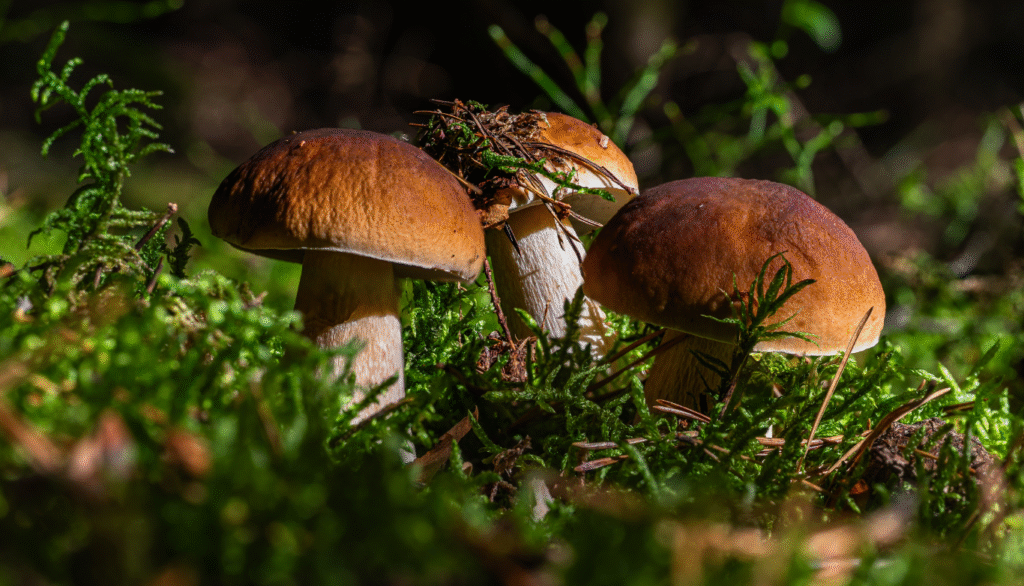
What’s promising:
- Some animal or in-vitro studies show that extracts from mushrooms like reishi can modulate immunity, reduce stress-related damage, and support resilience to environmental challenges. Healthline+2PMC+2
- One study on a coffee blended with mushrooms found higher antioxidant (polyphenol) content than the control coffee. PMC
- Mushroom coffee has been observed to have less caffeine than typical coffee, which means less of some of the drawbacks of high-caffeine consumption (sleep disruption, jitters). Medical News Today+1
What’s still weak / needs more work:
- Many of the human studies are small, not well-controlled, or involve pure mushroom supplements rather than “mushroom coffee” specifically. A review warns that the evidence is “limited” for the human benefits of mushroom coffee. News-Medical+1
- How much is clinically meaningful? The dosage of mushroom extracts in coffees is often lower than in the studies. Processing may reduce potency. Harvard Health+1
- It’s more accurate to say: “Could help with supporting immune / stress resilience/inflammation” rather than “Will cure X / give you superpowers.”
- Side-effects and boundaries exist (kidney stones from high oxalate mushrooms like chaga, digestion issues, interaction with medications) — so caution is warranted. UCLA Health
The bottom line? If you’re curious, it may be worth a try. But treat it as part of your wellness strategy — not a panacea.
Why My Audience (That’s You) Will Love It
Here’s how this concept resonates with us creatives, content makers, life-hack enthusiasts, and wellness-curious folks:

- It’s a fresh talking point. Not your same old bullet-proof coffee hype. Mushroom coffee feels new, niche, share-worthy, and Instagrammable.
- Fits the “upgrade without sacrifice” vibe. You get your morning ritual, caffeine (though lighter), plus potential adaptogenic benefits.
- Story ready. You can talk about switching your routine, experimenting with adaptogens, and comparing how you feel first cup vs. the tenth day. That’s content.
- A less noisy energy. For folks chasing focus without the crash, or wanting to mellow out their caffeine without giving it up entirely — this might hit the sweet spot.
- Health-adjacent without being hardcore. It’s approachable — you don’t need to go full medicinal mushroom supplement; you just sip a different brew.
Real-World Tips If You’re Going to Sip It
If you decide to explore mushroom coffee, here are practical tips for getting the most from it:

- Ease in slowly. Because the caffeine is lower and the adaptogen effects come subtly, give it 1–2 weeks and note how you feel (energy, sleep, digestion).
- Check the blend. Look for transparency: mushroom species listed, caffeine content, and third-party testing if possible.
- Mind your timing. Because caffeine is lower, you might find you can sip slightly later than your regular coffee — but be aware if you are sensitive to any mushrooms in the mix.
- Taste expectations. The taste can be slightly earthier or “nutty” than your usual brew, especially if the mushrooms are more prominent.
- Watch for side effects. If you have kidney issues, are pregnant, on blood thinners, or on other medications, check with your healthcare provider. Some mushroom types carry higher oxalates or potential interactions. UCLA Health
- Keep perspective. Treat it like an elegant tweak to your routine — not a magic bean. Whole mushrooms in food, good sleep, movement, and stress management remain the core.
- Make content with it. If you’re a creator: document your switch, compare mood/energy before & after, show your brewer setup, talk texture/taste. It’s relatable and engages your network.
Wrap Up: Should You Try It?
Yes — if you’re curious, open-minded, and willing to experiment. It’s not a miracle, but many people report smoother focus, gentler caffeine edge, and a satisfying new ritual. Just keep expectations realistic and monitor how you feel.
And yes — you will definitely get bonus points for sipping something that looks like coffee but has a little “fungi flair.” Your feed, your story, your content calendar might just thank you for it.