
Every January, the diet conversation gets louder. Gym memberships spike, grocery carts suddenly fill with kale, and “this time I’ll stick to it” promises echo everywhere. But the truth is, most diets fizzle out because they’re either too extreme or not grounded in science.
That’s why nutrition researchers release an annual ranking of the most effective, evidence-based diets—those that check the boxes for nutrient quality, long-term sustainability, and real health benefits. Think less “quick fix” and more “life upgrade.”
This year’s top picks highlight a trend: plant-forward eating, moderation over restriction, and a strong focus on preventing disease rather than chasing fad weight loss.
Let’s dive into the 10 best diets of 2025, according to expert consensus, with fresh insights into what makes each of them powerful.
1. Mediterranean Diet: Longevity on a Plate
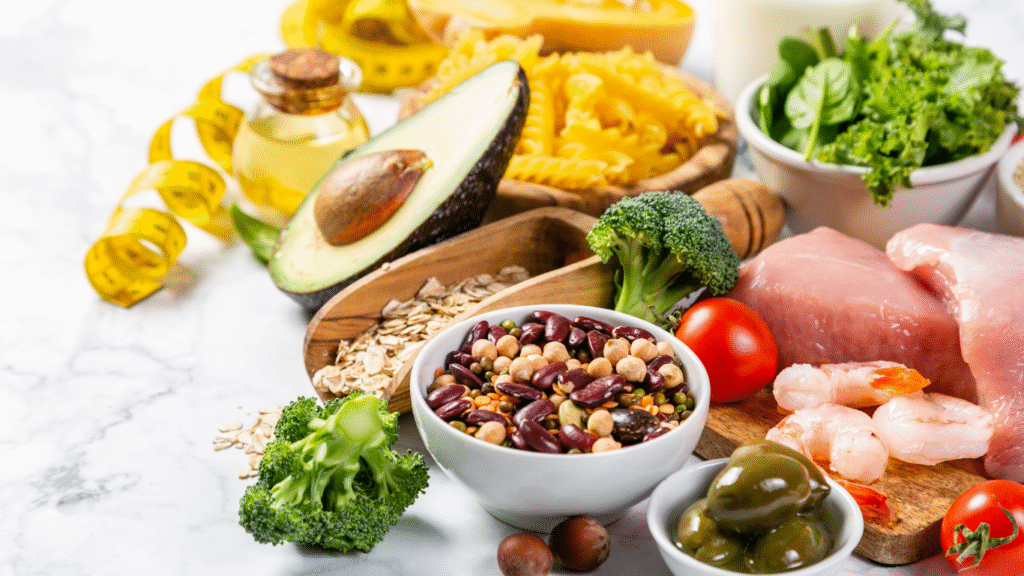
Praised for decades, the Mediterranean diet is still number one. Why? Because it blends flavor, variety, and proven health perks. Studies in journals like The Lancet link it to reduced cardiovascular disease and longer lifespan.
The secret: Olive oil, nuts, vegetables, and fish—nutrient-dense foods that fight inflammation and protect your heart. Red meat and sweets? Reserved for rare occasions.
2. DASH Diet: Blood Pressure’s Worst Enemy
Originally designed to fight hypertension, the Dietary Approaches to Stop Hypertension (DASH) remains a medical darling. Research from the National Institutes of Health shows it lowers blood pressure and cholesterol without medication for many people.
It’s basically your grandma’s advice—more veggies, less salt—backed by science.
3. Flexitarian Diet: Plants First, Meat Optional

Think vegetarian “lite.” The Flexitarian Diet encourages mostly plants, but doesn’t ban meat. It’s popular because it’s flexible, not punitive. Recent meta-analyses show flexitarian eaters tend to have lower BMIs and reduced heart disease risk compared to omnivores.
Perfect for anyone who wants health benefits without a rigid label.
4. MIND Diet: Food for Thought
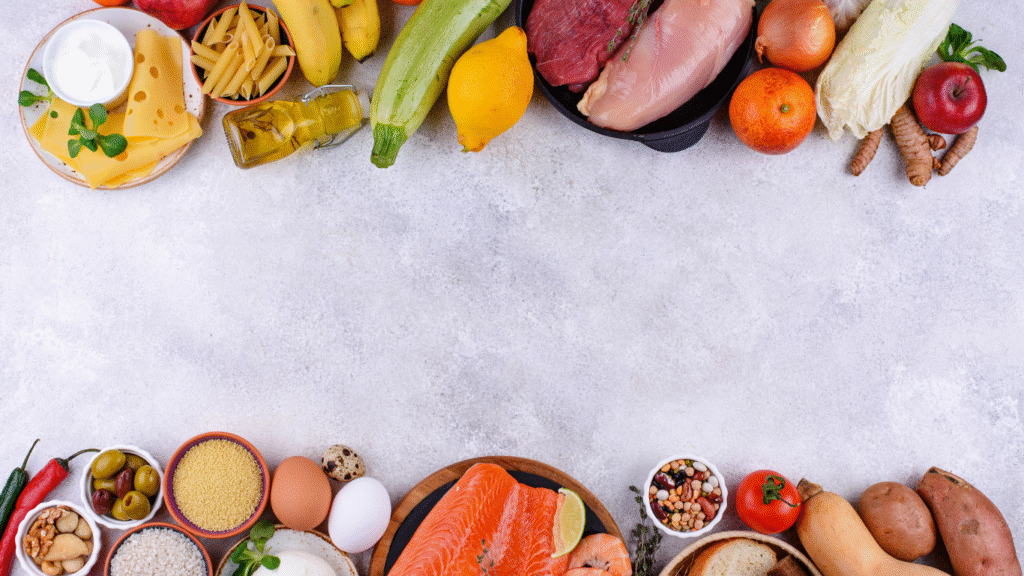
The MIND Diet (a mashup of Mediterranean + DASH) specifically targets brain health. Harvard researchers highlight that diets rich in leafy greens, berries, and omega-3s may slow cognitive decline by up to 53% in older adults.
It’s not just what you eat—it’s brain insurance.
5. Mayo Clinic Diet: Lifestyle Overhaul

The Mayo Clinic framework isn’t about trendy elimination. Instead, it builds habits like daily movement, portion control, and smart swaps. Think of it as a 12-week reset program that rewires how you approach food.
It’s structured but realistic, helping people focus on long-term wellness rather than crash dieting.
6. TLC Diet: Heart Health Hero
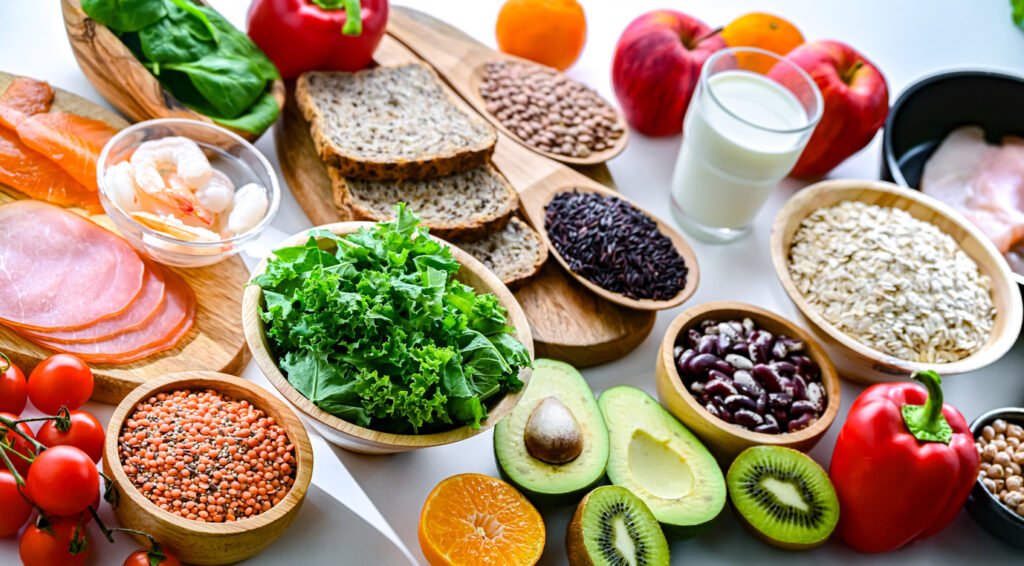
Therapeutic Lifestyle Changes (TLC) was crafted by cardiologists to reduce LDL cholesterol. The focus is on fiber-rich foods, whole grains, and cutting saturated fat. Clinical trials show LDL reductions of up to 10%—without drugs.
It’s less about the scale, more about arteries that stay clear and strong.
7. Menopause Diet: Hormone-Smart Eating
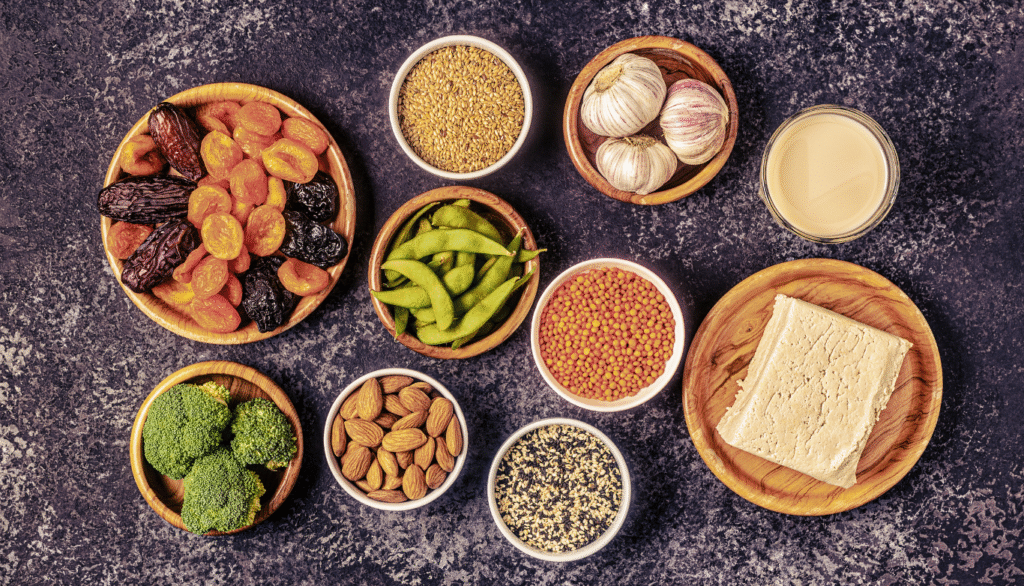
Finally, women in midlife are seeing tailored nutrition guidance. The Menopause Diet emphasizes soy, whole grains, lean protein, and calcium to ease symptoms and support bone health.
Emerging research shows plant estrogens (phytoestrogens) from soy can reduce hot flashes and stabilize mood.
8. Anti-Inflammatory Diet: Calm Your Cells

Chronic inflammation fuels everything from arthritis to diabetes. This diet—rich in fatty fish, turmeric, berries, and leafy greens—targets that silent fire. Studies in Frontiers in Nutrition confirm anti-inflammatory eating patterns improve immune resilience and lower disease risk.
It’s less “diet,” more anti-aging strategy.
9. Volumetrics Diet: Eat More, Weigh Less
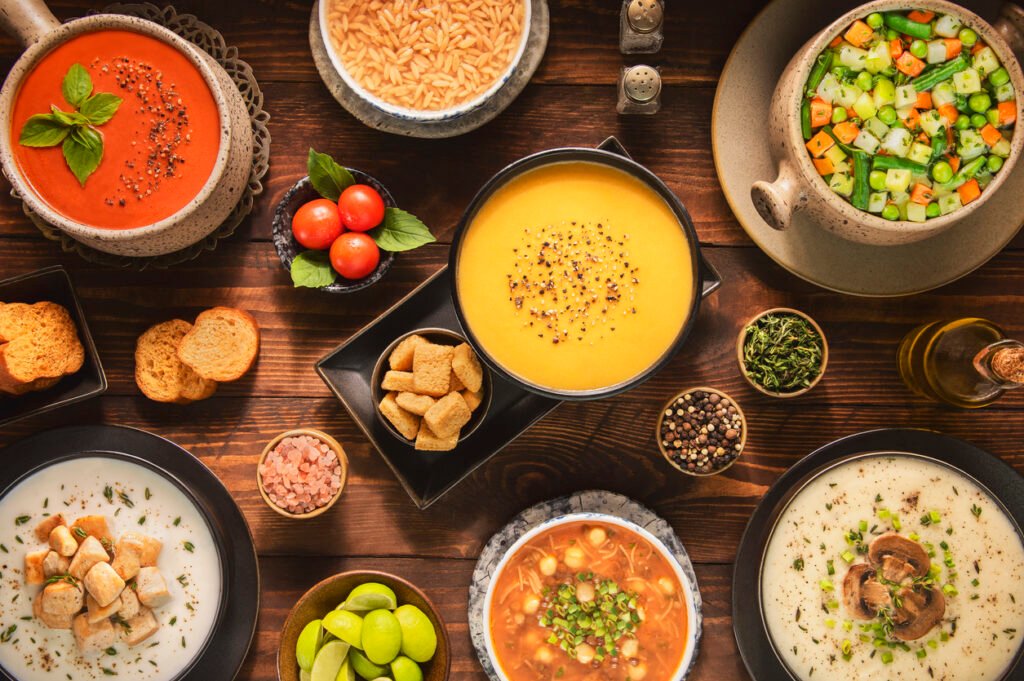
Here’s a rare diet that encourages eating more—of the right things. Low-calorie, high-volume foods like soups, fruits, and grains keep you full without calorie overload. Clinical evidence shows consistent weight loss, mainly because hunger doesn’t sabotage the plan.
Full plates, lighter body.
10. Cleveland Clinic Diet: Tech-Meets-Nutrition
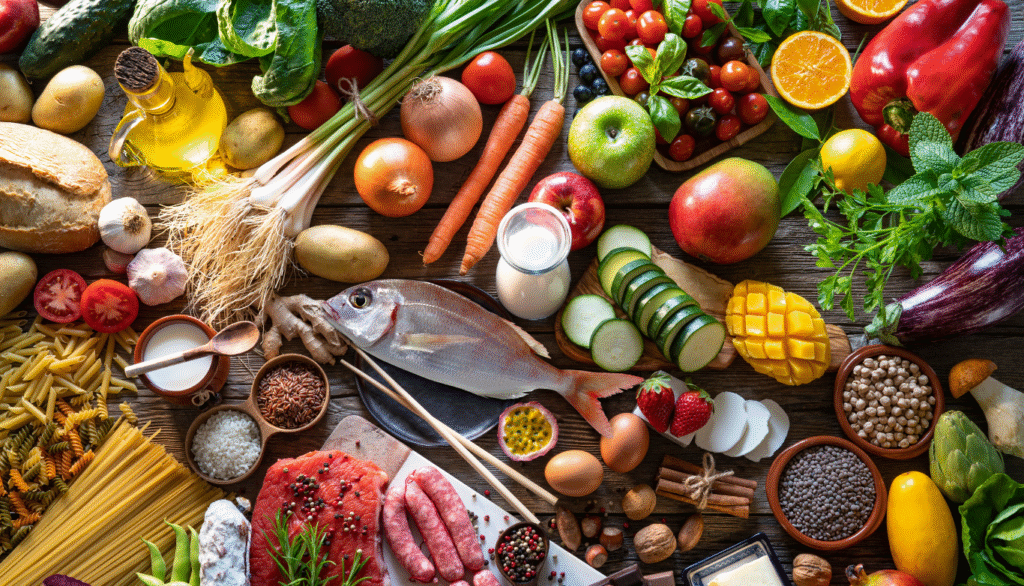
The new Cleveland Clinic app-based diet personalizes your health plan. By tracking lifestyle factors, it recommends either a “HeartSmart” or “BodyGuard” program. The emphasis? Preventing chronic disease, not just trimming waistlines.
Digital accountability meets science-backed eating.
The Bottom Line
Every diet on this list has one thing in common: balance. They aren’t about banning bread forever or surviving on shakes. They prioritize whole foods, flexibility, and long-term health.
As one nutrition researcher summed it up: “The best diet is the one you can enjoy, sustain, and that supports your health goals for life—not just the next 30 days.”
So whether you’re chasing sharper focus, steady energy, or heart health, there’s a science-backed path for you in 2025.